Nu-Metal's Studio Comeback and Platform Revolution Create Direct-to-Fan Opportunities for South America's Groove Metal Veterans

The global metal industry is experiencing a fascinating convergence of nostalgic revival and technological innovation that could fundamentally reshape how South American metal acts connect with their audiences. While nu-metal pioneers return to studios after decades-long hiatuses and revolutionary touring platforms prepare to launch, the South American metal scene finds itself uniquely positioned to capitalize on both the genre's resurgence and the industry's digital transformation.
The Nu-Metal Renaissance Gains Studio Momentum
The most significant development for groove and nu-metal enthusiasts comes from the studio trenches, where previously dormant acts are breathing new life into their creative processes. After years of speculation about whether the nu-metal revival would translate into substantial new material, concrete evidence now suggests a full-scale studio renaissance is underway. This revival represents more than nostalgia—it signals a mature reexamination of the genre's core elements by artists who helped define its original boundaries.
For South America's extensive groove metal community, this international revival creates unprecedented opportunities for recognition and collaboration. Bands like The Unabomber Files have spent years perfecting the intersection of groove and thrash that defined nu-metal's heavier foundations, while acts such as Abhorrent have pushed groove metal's boundaries into more aggressive territory. The renewed industry interest in these hybrid approaches could finally provide South American groove metal veterans with the international platform their technical prowess deserves.
The timing couldn't be more strategic for South America's metal ecosystem. As international labels and producers seek authentic voices within the nu-metal revival, the region's bands offer something many North American and European acts cannot: genuine underground credibility combined with sophisticated songwriting that avoids the commercial pitfalls that plagued the genre's initial mainstream phase.
Revolutionary Touring Platforms Challenge Traditional Models
Perhaps even more transformative for South American metal acts is the emergence of innovative touring platforms designed to address the industry's most persistent problems. These new systems promise to revolutionize how bands connect with audiences by eliminating traditional intermediaries and reducing the financial barriers that have historically prevented South American metal acts from reaching international markets.
The platform revolution addresses a critical pain point that has plagued the global metal scene: the disconnect between rising ticket prices and diminishing fan experiences. For South American metal bands, this presents a unique opportunity to leverage their authenticity and direct fan connections as competitive advantages in an increasingly commoditized market.
Unlike their North American and European counterparts, many South American metal acts have already mastered the art of direct fan engagement out of necessity. Bands across the region have built devoted followings through intimate venue performances, personal social media interaction, and community-based promotion that major-label acts often struggle to replicate authentically.
Genre Fusion and Technical Innovation Drive New Opportunities
The current metal landscape's embrace of genre fusion creates particularly strong opportunities for South American acts who have long operated outside traditional categorical boundaries. The progressive metal movement's continued evolution, combined with renewed interest in extreme vocal techniques and atmospheric composition, aligns perfectly with the technical innovations emerging from South America's underground scenes.
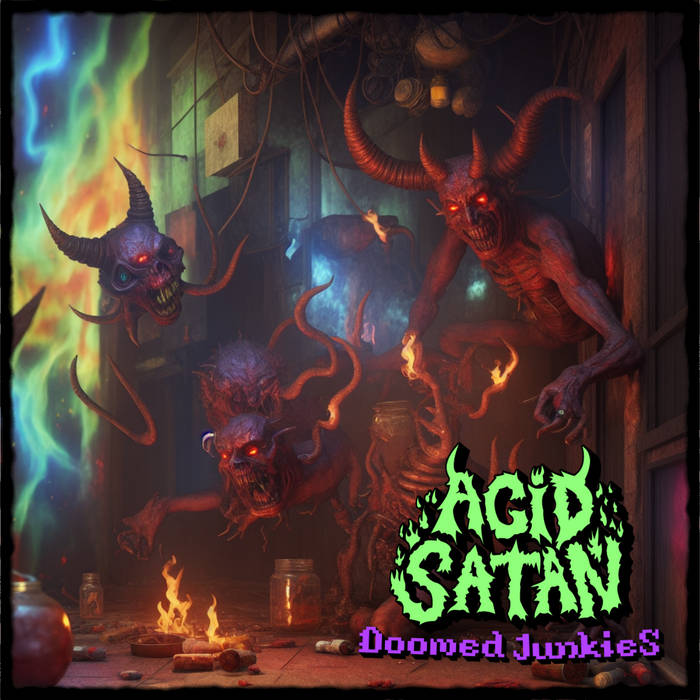
Bands incorporating crossover elements, such as Desordem Absoluta and Acid Satan, represent exactly the kind of boundary-pushing artistry that international audiences increasingly demand. These acts combine the raw energy of thrash and crossover with sophisticated compositional approaches that reflect South America's diverse musical heritage.
The technical death metal renaissance also continues to provide opportunities for South American virtuosos who have consistently demonstrated world-class musicianship despite limited industry support. As the global metal community increasingly values technical proficiency and authentic underground credentials over manufactured mainstream appeal, South American death metal acts find themselves perfectly positioned for breakthrough recognition.
Industry Health and Sustainability Create Long-Term Stability
Recent industry developments around musician health and career sustainability reflect a maturing metal ecosystem that increasingly values longevity over short-term commercial exploitation. This shift toward sustainable career approaches particularly benefits South American metal communities, which have always prioritized artistic integrity and community support over rapid commercial success.

The growing awareness of touring's physical and financial demands creates space for alternative approaches to career building—approaches that South American metal acts have pioneered through necessity. Regional touring networks, collaborative equipment sharing, and community-based promotion models developed across South America offer sustainable alternatives to traditional industry practices.
As international metal scenes grapple with rising costs and health challenges, South American metal communities demonstrate how collaborative approaches can maintain artistic vitality while ensuring long-term career sustainability. This positions the region not just as a source of talent, but as a model for sustainable metal scene development.
The Path Forward for South American Metal
The convergence of nu-metal's studio revival, revolutionary touring platforms, and industry focus on sustainability creates a perfect storm of opportunity for South American metal acts. Unlike previous industry upheavals that primarily benefited established markets, these developments specifically address the barriers that have historically limited South American metal's international reach.
The key to capitalizing on these opportunities lies in leveraging the region's existing strengths: authentic underground credibility, technical excellence, direct fan connections, and collaborative community networks. As new platforms eliminate traditional gatekeepers and genre boundaries continue dissolving, South American metal acts can compete directly on the merits of their artistry rather than their geographic or economic advantages.
For emerging bands seeking to break into this evolving landscape, the message is clear: focus on developing authentic artistic voices, building genuine fan connections, and mastering the technical aspects of your craft. The industry infrastructure necessary to support South American metal's international breakthrough is rapidly falling into place.
As we move toward 2026 and these new touring platforms launch, South American metal stands poised for its most significant international breakthrough since the region's thrash metal pioneers first gained global recognition. The question is no longer whether South American metal will achieve widespread international success, but rather which acts will seize the emerging opportunities first.
The future of metal lies not in manufactured mainstream appeal, but in authentic artistry, direct fan connection, and sustainable career practices—exactly the qualities that South American metal scenes have spent decades perfecting.