Industry Innovation Platforms and Rising Concert Costs Drive Digital Revolution as South American Metal Acts Pioneer Alternative Booking Solutions
The metal industry finds itself at a technological crossroads as traditional touring economics face disruption from both innovation and inflation. Recent developments in platform technology and escalating ticket prices are reshaping how bands connect with audiences, creating unprecedented opportunities for South America's extensive metal community to leverage alternative approaches that bypass conventional industry gatekeepers.
TourFlip Platform Addresses Global Booking Crisis
Napalm Death guitarist Mitch Harris has unveiled TourFlip, a revolutionary crowdfunding-based marketplace designed to address the mounting challenges facing touring musicians worldwide. After over 25 years navigating the live music ecosystem, Harris built the platform to help bands secure bookings, ensure fair payment, and combat the rising costs that threaten to price out both artists and fans.
The initiative arrives at a critical moment when veteran drummers like Carmine Appice are questioning the sustainability of current concert economics. Appice's recent criticism of "ridiculous" ticket prices—asking "who's buying all these tickets? Rich people?"—underscores a growing disconnect between artist compensation and fan accessibility that threatens the metal community's foundational values.
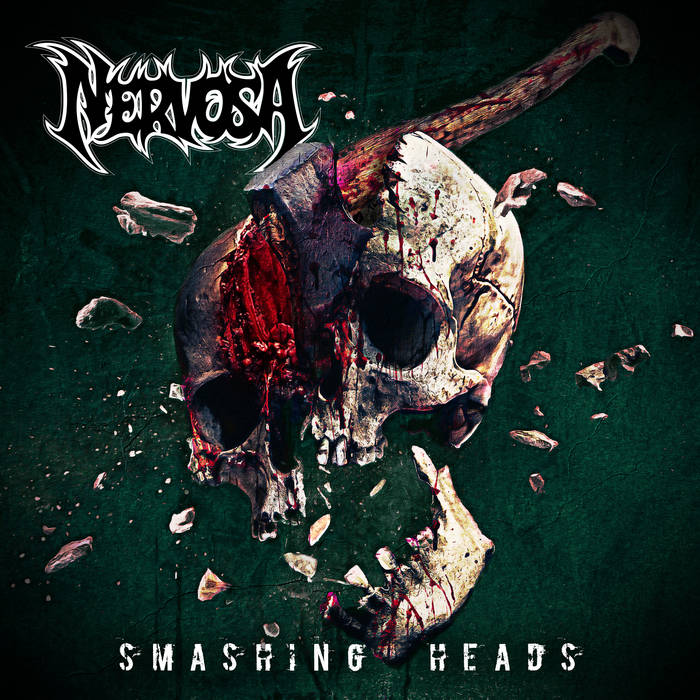
For South America's metal scene, these developments present both challenges and opportunities. The region's extensive network of metal bands across genres from death and black metal to heavy and thrash has long operated within economic constraints that fostered creative community-based solutions. Bands like Nervosa have demonstrated how strategic international touring can build sustainable careers while maintaining authentic connections with underground communities.
Legacy Acts Navigate Changing Performance Landscape
The current touring climate reveals a stark divide between established acts commanding premium prices and emerging artists struggling to break through economic barriers. Accept's collaboration with former Megadeth drummer Shawn Drover at their 50th-anniversary celebration exemplifies how legacy acts are adapting to maintain relevance while honoring their heritage. Such strategic partnerships offer lessons for South American metal veterans seeking to expand their reach without compromising artistic integrity.
Meanwhile, substitute performances—like Derek Sharp filling in for Phil X during Triumph's Canadian shows—highlight the professional networks that sustain touring operations. These interconnected relationships mirror the collaborative spirit that has long characterized South America's metal community, where cross-border partnerships and guest appearances have created a regional ecosystem supporting sustainable music careers.
Technology Democratizes Music Creation and Distribution
The re-recording trend, exemplified by Atreyu's decision to revisit their gold-certified album "The Curse" with modern production techniques, demonstrates how technological advancement enables artistic reinvention. Brandon Saller's explanation of "motivating factors" behind the project reflects broader industry acceptance of creative revisionism that could benefit South American bands seeking to update classic material for contemporary audiences.
This technological accessibility particularly advantages South America's extreme metal scenes, where bands across death, black, and thrash subgenres have developed sophisticated recording techniques despite limited resources. The region's 236 death metal bands represent a vast reservoir of technical talent that could benefit from platforms enabling direct fan funding and international booking facilitation.
Health and Sobriety Shape Industry Culture
Personal triumph stories like Jason Newsted's successful throat cancer treatment and John Moyer's one-year sobriety milestone reflect evolving industry attitudes toward musician wellness. These developments signal a maturation within metal culture that prioritizes long-term sustainability over destructive stereotypes, aligning with South American metal communities' emphasis on mutual support and collective resilience.
The emphasis on health and longevity creates opportunities for experienced South American metal musicians to leverage their wisdom and technical skills in international collaborations. The region's 195 black metal bands, for instance, represent decades of accumulated expertise in extreme vocal techniques and atmospheric composition that could prove invaluable in mentorship and collaborative contexts.

Regional Advantages in Alternative Economy
South America's metal scene possesses several structural advantages in navigating the industry's economic transformation. The region's 147 thrash metal bands have operated within resource constraints that fostered innovative approaches to recording, promotion, and touring logistics. This experience positions local acts to excel in crowdfunded and community-supported models that platforms like TourFlip facilitate.
The collaborative networks that connect bands across national borders within South America mirror the international partnerships that successful platform-based touring requires. When established acts like Judas Priest work on new material with innovative recording approaches, they demonstrate creative processes that South American metal bands have long employed out of necessity rather than choice.
The region's 162 heavy metal bands represent a particularly strategic demographic for platform-based booking solutions, as their accessible sound profiles can attract diverse audiences while their underground credibility maintains metal authenticity. This combination could prove powerful in crowdfunding contexts where both broad appeal and community trust drive success.
Future Implications for Underground Scenes
As platforms like TourFlip mature and traditional booking barriers lower, South American metal acts face unprecedented opportunities to reach international audiences directly. The region's extensive extreme metal underground—spanning technical death, atmospheric black metal, and crossover thrash—possesses the creative sophistication and authentic community connections that thrive in direct-to-fan economies.
The key lies in leveraging regional collaborative traditions while embracing technological tools that bypass traditional industry gatekeepers. South America's metal community has already demonstrated the resilience and innovation necessary to succeed in alternative economic models. The question now is whether international audiences are ready to discover the technical mastery and authentic artistry that the region's underground has been perfecting for decades.
For bands ready to explore these opportunities, resources like submit your band can help establish the digital presence necessary for platform-based success, while upcoming shows provide networking opportunities with industry professionals embracing these innovative approaches.