Health Battles and Legal Drama Rock Metal's Establishment While South America's Extreme Vocal Underground Prepares for Recognition
The metal world confronts mortality and controversy as Jason Newsted's throat cancer recovery and Brady Ebert's attempted murder charges expose the industry's darkest realities. These jarring developments arrive alongside Geoff Tate's conceptual opera continuation and Between the Buried and Me's Warped Tour addition, creating a stark contrast between metal's triumphant artistic evolution and its ongoing personal struggles.
Cancer's Shadow Over Metal's Legacy
Jason Newsted's recent revelation about his throat cancer diagnosis and subsequent recovery sends shockwaves through the metal community. The former Metallica bassist's three-week "free and clear" status represents more than personal victory—it highlights the occupational hazards facing extreme metal vocalists worldwide. Throat cancer strikes at the core of what makes extreme metal possible: the voice that channels rage, pain, and technical mastery into sonic brutality.
This health scare resonates deeply within South America's extensive death and black metal underground, where extreme vocal techniques form the backbone of the regional sound. Countries like Brazil, Colombia, and Argentina have cultivated some of the most technically proficient extreme vocalists in the global metal scene, yet many operate without the healthcare resources available to established international acts.
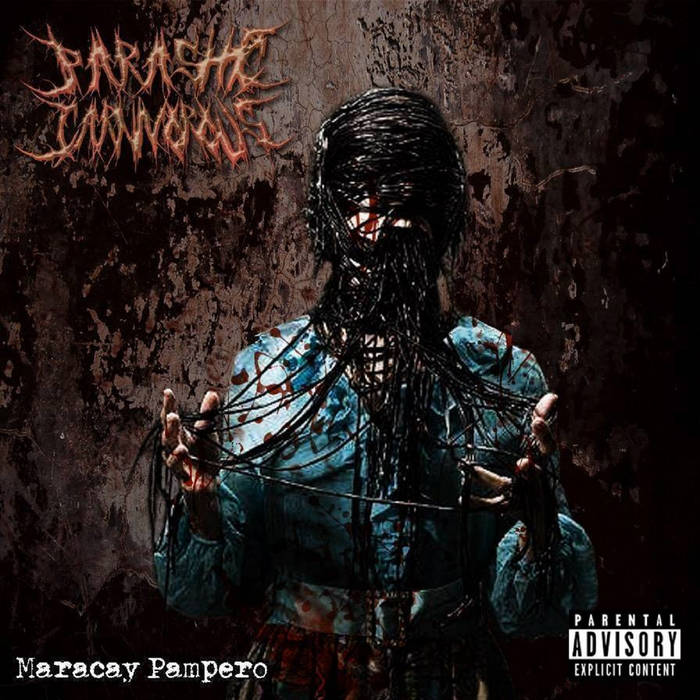
The incident underscores a critical vulnerability in metal's foundation. Extreme vocal techniques—from death growls to black metal shrieks—demand physical sacrifice that often goes unrecognized until crisis strikes. South American bands like Morbosus and Parasitic Carnivorous have mastered these techniques through years of underground dedication, representing a vast reservoir of vocal talent that deserves protection and recognition.
Violence Erupts in Metal's Inner Circle
The escalation of charges against former Turnstile guitarist Brady Ebert to attempted first-degree murder creates a disturbing counterpoint to metal's healing narratives. Accused of intentionally striking Turnstile vocalist Brendan Yates' father with a vehicle, Ebert now faces thirty years in prison—a stark reminder that metal's culture of intensity can sometimes manifest in destructive ways.
This incident exposes the psychological pressures within metal communities, particularly as bands navigate success, creative differences, and personal conflicts. The hardcore and crossover scenes—genres where Turnstile operates—often celebrate controlled aggression and emotional catharsis, making this alleged violence all the more jarring.
South America's crossover and thrash metal communities, exemplified by bands like Butequeiros and Bastardös, have historically channeled political frustration and social tension into musical expression rather than interpersonal violence. These scenes offer alternative models for processing conflict within metal communities.
Legal Battles Define Industry Boundaries
The Dimebag Darrell estate's unsuccessful lawsuit against Dean Guitars reflects ongoing tensions over artistic legacy and commercial exploitation. These legal conflicts increasingly define how metal's history gets commodified and preserved, setting precedents that affect musicians across all career stages.
For South American metal acts, these battles highlight the importance of understanding intellectual property rights and equipment endorsement deals. Many regional bands lack access to legal resources that could protect their innovations and creative contributions. The Dean Guitars victory suggests that established companies maintain significant advantages in disputes over signature models and artistic partnerships.
This legal landscape particularly impacts South America's thrash and death metal scenes, where equipment innovations often emerge from necessity and resource limitations. Bands like Del Kaos Infesto and Alchemist have developed unique sounds through creative equipment use, yet rarely receive formal recognition or protection for these contributions.
Conceptual Metal's Continuing Evolution
Geoff Tate's live debut of "Power" from "Operation: Mindcrime III" demonstrates metal's capacity for sustained conceptual development. The former Queensrÿche vocalist's commitment to extending his most celebrated work reflects metal's literary ambitions and narrative sophistication.
This approach resonates strongly within South America's progressive and power metal communities, where storytelling traditions merge with metal's technical complexity. The region's diverse cultural heritage provides rich source material for conceptual works, yet few South American acts receive international recognition for their narrative innovations.
Symphony X's Russell Allen's comments about their lengthy album development process reveal the pressures facing progressive metal creators. Five-year album cycles reflect both perfectionist standards and commercial realities that challenge artistic sustainability. South American progressive acts often face similar creative pressures without equivalent label support or tour revenue.
Festival Culture's Accessibility Questions
Between the Buried and Me's addition to the final Vans Warped Tour demonstrates metal's increasing presence in mainstream festival culture. However, these developments also highlight accessibility challenges for international acts, particularly those from developing regions.
South American metal bands rarely receive invitations to major North American festivals, despite producing music that matches or exceeds international quality standards. The festival circuit's emphasis on established names and predictable draws limits opportunities for regional breakthrough acts.
This exclusion becomes particularly problematic as festivals like Warped Tour conclude their runs, reducing overall performance opportunities for emerging acts. South American metal scenes must develop alternative festival networks and touring infrastructure to support their extensive underground communities.
Emotional Resilience Through Tragedy
Sevendust's Lajon Witherspoon's discussion of his brother's murder and its impact on the band's music reveals metal's therapeutic potential. His description of feeling his brother's soul presence during performances illustrates how extreme music processes profound grief and trauma.
This emotional authenticity connects directly with South American metal's cultural foundations, where music serves as both artistic expression and survival mechanism. Bands across the region have channeled historical trauma, political oppression, and personal loss into musical catharsis that resonates globally.
Regional Recognition Opportunities
These international developments create specific opportunities for South America's metal underground. Health awareness initiatives could benefit from the region's extensive extreme vocal community. Legal education programs could protect emerging artists from exploitation. Festival development could showcase the region's diverse talent pool.
Most importantly, these stories demonstrate that metal's global community faces similar challenges regardless of geography or career status. South America's metal scenes possess the artistic depth, technical skill, and cultural authenticity to contribute meaningfully to metal's ongoing evolution.
The region's bands have long mastered the balance between extreme expression and community support that the international metal scene now desperately needs. As established acts confront mortality and legal battles, South America's underground offers models of resilience, creativity, and sustainable artistic development that deserve global recognition.