Industrial Remix Culture and Death Metal Reinvention Drive Electronic-Heavy Fusion as South American Extreme Bands Pioneer Cross-Genre Innovation
The intersection of industrial remix culture and death metal's experimental evolution creates unprecedented opportunities for South America's extreme metal community, which has long mastered the genre-blending innovation now gaining international recognition. Recent developments in electronic-heavy fusion and collaborative remix projects signal a broader shift toward cross-genre experimentation that positions the region's diverse metal scene at the forefront of underground innovation.
Industrial Veterans Embrace Remix Collaboration
Industrial music's collaborative renaissance demonstrates the growing acceptance of electronic elements within heavy music frameworks. When veteran acts begin exploring remix territories and electronic fusion, it validates approaches that South American extreme bands have been pioneering for years. The industrial scene's embrace of collaborative remix culture reflects broader trends toward genre dissolution that benefit regions with diverse musical influences.
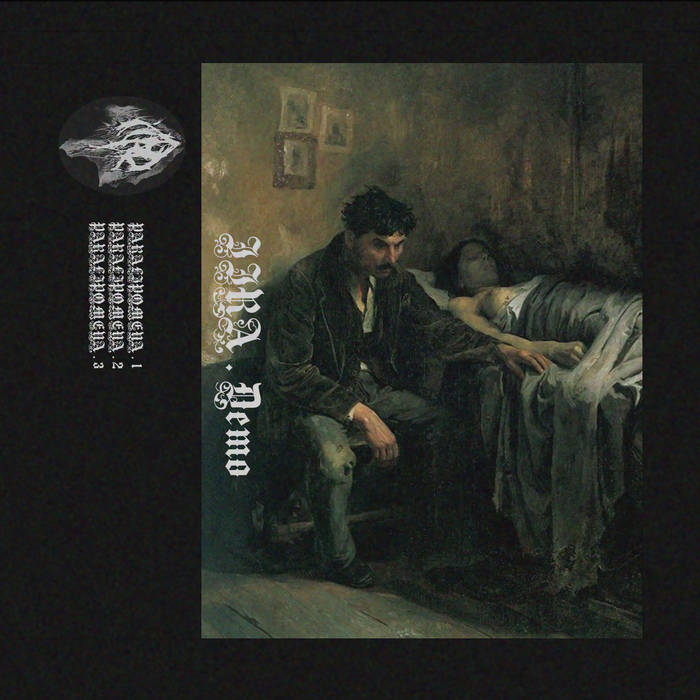
This shift toward electronic integration creates opportunities for South America's black and death metal scenes, which have consistently demonstrated technical proficiency and creative flexibility. Bands like IIRA, with their experimental black metal approach, represent the kind of boundary-pushing creativity that international audiences increasingly seek. The experimental black metal movement particularly benefits from industrial music's electronic integration trends.
Death Metal's Technical Evolution
The death metal genre's continued evolution toward technical complexity and experimental arrangements creates space for South American acts who have mastered both brutality and sophistication. Recent releases in the death metal sphere demonstrate growing appreciation for technical proficiency combined with innovative songwriting approaches.
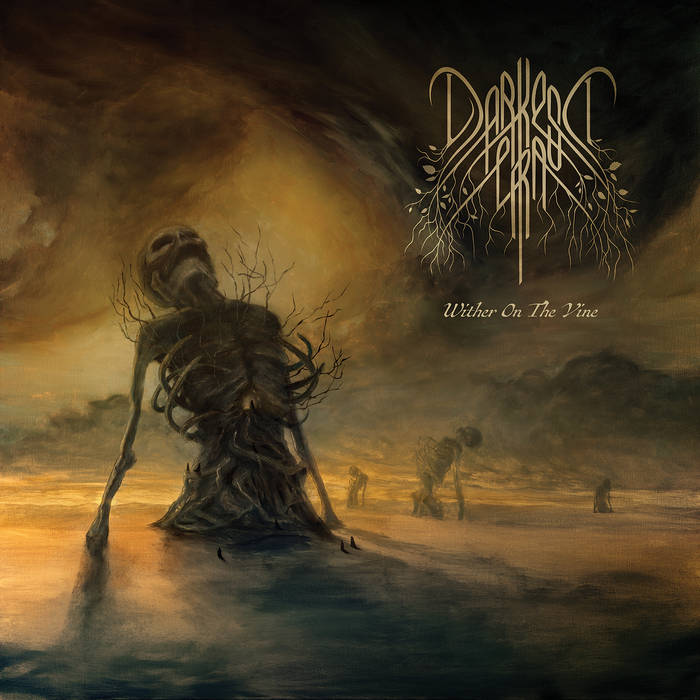
Brazil's death metal infrastructure particularly benefits from these developments. Acts like Darkest, operating within the death metal and thrash crossover territory, are positioned to capitalize on international interest in technically proficient extreme metal. The combination of death metal brutality with thrash metal precision represents exactly the kind of cross-genre mastery that global audiences now embrace.
The brutal death metal scene also gains from this technical emphasis. Bands practicing the most extreme forms of death metal find increased recognition as listeners develop more sophisticated palates for complex arrangements and technical execution.
Cover Projects and Reinterpretation Culture
The rise of covers projects and reinterpretation albums signals metal's growing confidence in reimagining classic material. This trend creates opportunities for South American bands to demonstrate their interpretation skills while paying homage to influences. Cover albums allow acts to showcase technical abilities while connecting with broader metal audiences through familiar material.
South America's diverse cultural influences provide unique advantages in reinterpretation projects. The region's bands can bring distinct rhythmic and melodic sensibilities to classic metal material, creating covers that offer genuine new perspectives rather than simple reproductions.
Progressive Integration and Complex Arrangements
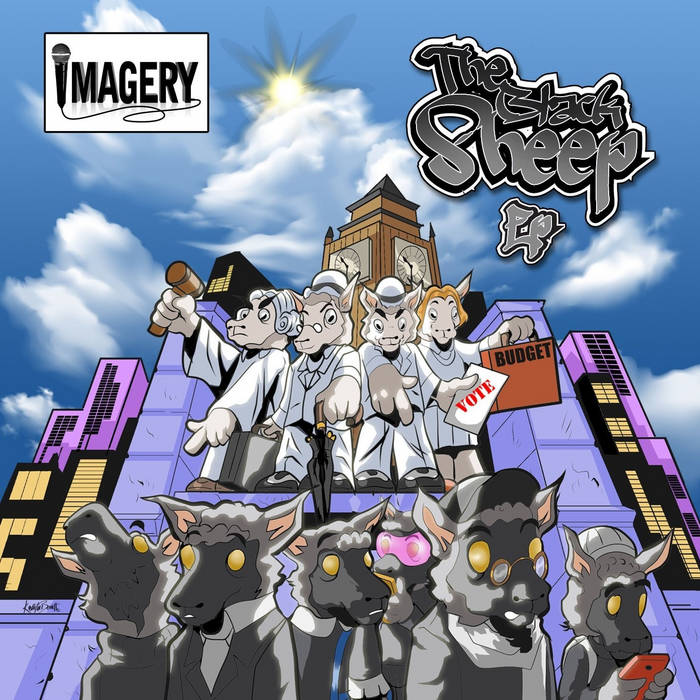
Progressive elements increasingly infiltrate traditional heavy metal frameworks, creating demand for bands capable of complex arrangements without sacrificing accessibility. Imagery, working within metal and progressive rock territories, exemplifies this trend toward sophisticated yet approachable heavy music.
The progressive metal movement particularly benefits South American acts who have developed technical skills within resource-limited environments. This constraint-driven creativity often results in more innovative solutions than bands with unlimited production resources.
Tour Postponements and Injury Management
Recent tour postponements due to performer injuries highlight the physical demands of heavy music and the importance of sustainable touring practices. These developments emphasize the need for professional tour management and injury prevention protocols within the metal industry.

South American bands can learn from these situations by developing comprehensive touring strategies that prioritize performer health alongside audience engagement. The region's challenging touring logistics already require careful planning, creating advantages when expanding to international markets.
Label Relationships and Strategic Partnerships
Band signings and re-signings with established labels demonstrate the continued importance of strategic partnerships in metal careers. These relationships provide distribution networks and promotional support essential for international expansion.
South American metal acts benefit from observing how established bands navigate label relationships while maintaining creative independence. The balance between commercial viability and artistic integrity remains crucial for long-term career sustainability.
Digital Release Strategies
The timing and presentation of digital releases continues evolving as bands experiment with announcement strategies and release formats. EP releases, single drops, and album campaigns require increasingly sophisticated digital marketing approaches.
South American bands can leverage authentic storytelling and cultural distinctiveness in digital campaigns, differentiating themselves from oversaturated markets through genuine personality and regional identity.
Cross-Genre Collaboration Trends
Collaboration between different metal subgenres becomes increasingly common as artificial barriers dissolve. Black metal acts collaborate with industrial projects, death metal bands explore progressive arrangements, and thrash acts incorporate groove elements.
This collaborative spirit particularly benefits South America's metal community, which has always emphasized mutual support and cross-genre pollination. The region's bands can draw on diverse influences while maintaining underground authenticity that international audiences increasingly value.
Technical Innovation and Production Values
Rising production standards across all metal subgenres create pressure for professional-quality recordings while maintaining underground character. This balance requires technical innovation and creative production approaches.
South American producers and engineers develop unique solutions for achieving professional results within budget constraints, creating distinctive sounds that stand out in crowded international markets.
Looking Forward: Opportunities for Regional Growth
These international developments create multiple opportunities for South America's metal scene. The embrace of electronic elements validates experimental approaches, while technical death metal's growing recognition rewards the region's emphasis on musical proficiency. Cover projects allow bands to demonstrate interpretation skills, and progressive integration creates demand for sophisticated arrangements.
The combination of industrial remix culture and death metal innovation particularly suits South America's diverse musical landscape. Bands can draw on regional rhythmic traditions while maintaining extreme metal credibility, creating sounds that satisfy both underground purists and broader audiences seeking authentic innovation.
As international metal continues embracing cross-genre experimentation and technical sophistication, South American extreme bands find themselves uniquely positioned to capitalize on trends they helped pioneer. The region's emphasis on musical excellence, creative flexibility, and authentic underground culture provides exactly the combination international audiences increasingly seek.