Doom Metal Legends Face Lineup Changes While Swedish Death Metal Achieves Chart Dominance as South America's Heavy Underground Positions for International Recognition
The international doom and death metal scenes are experiencing profound shifts that signal broader changes in heavy music's commercial and artistic landscape. These developments create unprecedented opportunities for South America's extensive underground metal community, particularly bands operating in the doom, death, and extreme metal territories where the continent has cultivated remarkable depth and authenticity.
Doom Metal Veterans Navigate Transition Period
The departure of longtime vocalists from established doom acts reflects the genre's ongoing evolution as founding members reassess creative directions after decades of underground dedication. This transition period within doom metal's veteran ranks opens pathways for new voices and perspectives, a development that could significantly benefit South America's doom metal practitioners who have long operated with authentic underground credibility.
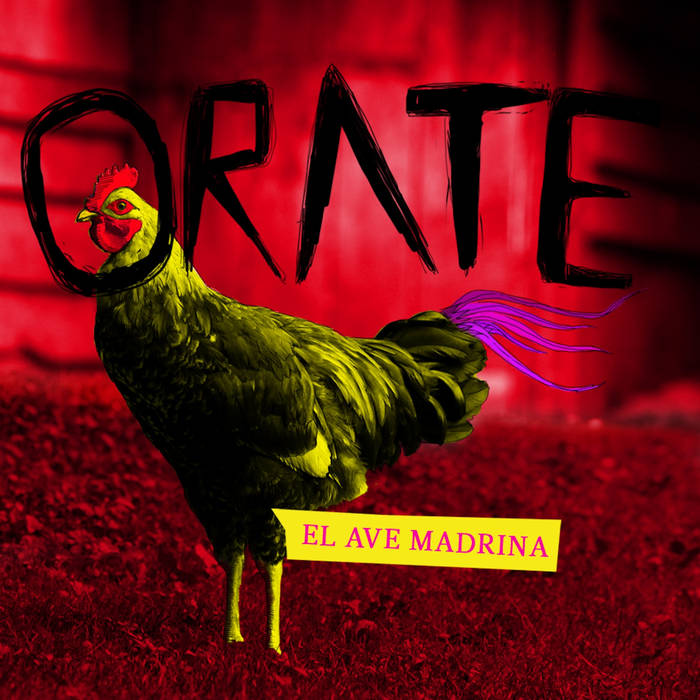
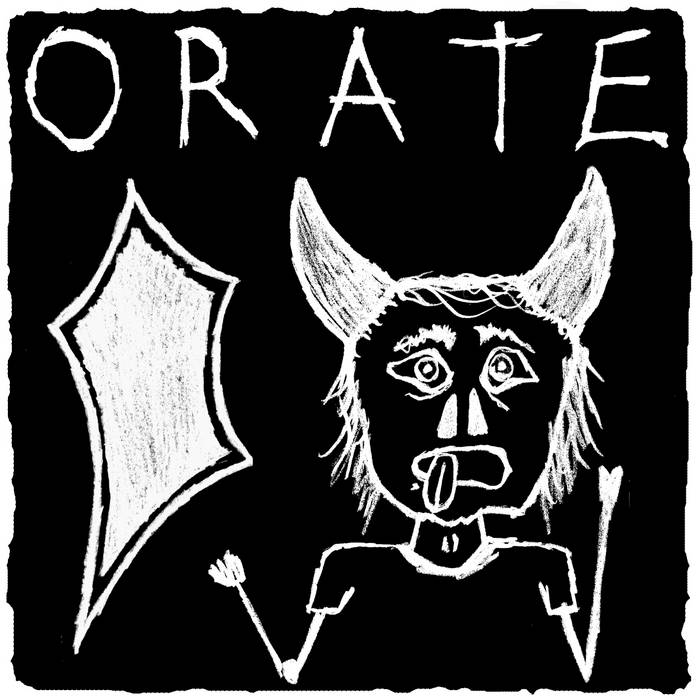
Orate, representing the sophisticated doom metal approach emerging from South America's underground, exemplifies the type of authentic heavy music that international audiences increasingly seek. The band's combination of doom, grunge, sludge, and stoner elements demonstrates the genre-blending creativity that positions South American acts advantageously as established international bands navigate lineup changes.
The doom metal landscape's current flux extends beyond individual band changes to encompass broader questions about vocal styles, songwriting approaches, and the genre's relationship with its foundational elements. South American doom practitioners have consistently demonstrated mastery of these core elements while incorporating regional influences that create distinctive sonic signatures.
Swedish Death Metal's Commercial Breakthrough
The achievement of chart-topping success by Swedish melodic death metal pioneers marks a significant milestone for extreme metal's commercial viability. This breakthrough demonstrates that technically proficient, uncompromising heavy music can achieve mainstream recognition without sacrificing artistic integrity—a development with profound implications for South America's extensive death metal community.
South American death metal has historically operated with fierce independence and technical excellence, characteristics that align perfectly with current international trends favoring authentic underground credibility. The continent's death metal practitioners have developed sophisticated approaches to songwriting, production, and performance that rival any global scene.
The commercial success of established death metal acts creates opportunities for emerging artists who demonstrate similar technical proficiency and creative vision. South American death metal bands possess the musical sophistication and authentic underground heritage necessary to capitalize on increased international interest in extreme metal artistry.
Cross-Genre Collaboration and Creative Innovation
Recent collaborative projects between country music outlaws and extreme metal legends highlight the music industry's increasing openness to unexpected creative partnerships. These cross-pollination efforts suggest growing appreciation for authentic artistic expression regardless of genre boundaries, a trend that favors South America's metal acts who have long incorporated diverse musical influences.
The willingness of established metal musicians to explore creative territories beyond traditional genre constraints creates precedent for South American metal acts to showcase their own innovative approaches. Many South American metal bands have naturally incorporated elements from regional folk traditions, creating unique sonic signatures that distinguish them from their international counterparts.
This trend toward creative adventurism and cross-genre exploration aligns with South America's metal community's long history of musical innovation and cultural synthesis. Bands from the region have consistently demonstrated ability to maintain metal's core intensity while incorporating diverse influences that create compelling, distinctive music.
Professional Infrastructure and Career Sustainability
The current wave of lineup changes, tour postponements due to medical emergencies, and veteran musicians' strategic career planning highlights the metal industry's evolving approach to professional sustainability. These developments underscore the importance of robust regional scenes that can support musicians throughout various career phases.
South America's metal infrastructure has matured significantly, providing networks of venues, promoters, recording facilities, and media outlets that enable sustainable metal careers. This regional ecosystem positions local musicians advantageously as international trends favor artists with strong community connections and authentic underground credentials.
The continent's metal festivals, underground venues, and collaborative networks demonstrate the type of community support that enables long-term artistic development. These foundations provide South American metal acts with advantages that extend beyond purely musical considerations to encompass career sustainability and creative freedom.
Technological Innovation and Audience Engagement
Recent developments in metal music include unexpected forays into kawaii metal aesthetics and electronic music collaborations, suggesting continued evolution in how heavy music incorporates technological innovation. These trends create opportunities for South American metal acts to explore new approaches to audience engagement and creative expression.
The integration of electronic elements, visual innovation, and social media strategies into metal music reflects broader changes in how artists connect with audiences. South American metal bands are well-positioned to leverage these tools while maintaining the authentic underground credibility that distinguishes their music.
The continent's metal community has demonstrated consistent ability to adapt new technologies and platforms while preserving the core values and artistic integrity that define heavy music. This balance between innovation and tradition positions South American acts advantageously as the global metal scene continues evolving.
Regional Advantages and Global Opportunities
The convergence of veteran lineup changes, commercial breakthroughs for extreme metal, and increased creative experimentation creates unprecedented opportunities for South America's metal community. The region's bands possess the technical proficiency, creative vision, and authentic underground heritage necessary to capitalize on these international trends.
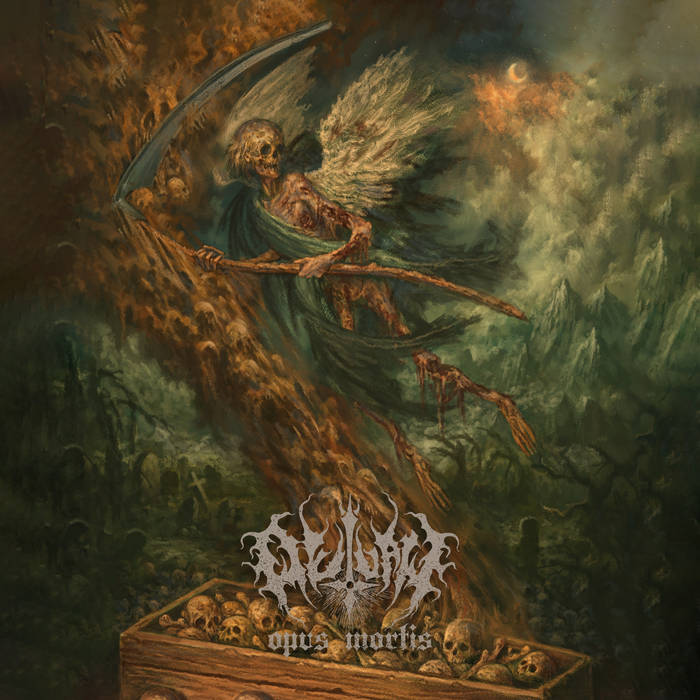
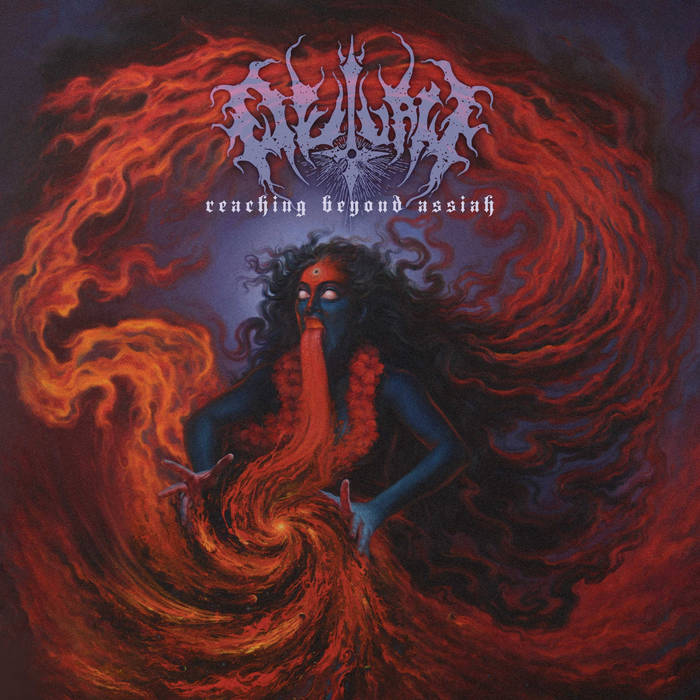
Outlaw represents the type of authentic black metal artistry that international audiences increasingly seek as they explore beyond mainstream offerings. The band's commitment to uncompromising extreme metal demonstrates the artistic integrity that positions South American acts for international recognition.
The metal industry's current emphasis on authenticity, technical excellence, and creative innovation favors artists who have developed their craft within supportive regional scenes. South America's metal community provides exactly this type of environment, enabling musicians to create uncompromising music while building sustainable careers.
As established international acts navigate transitions and new commercial opportunities emerge for extreme metal, South American metal bands stand poised to demonstrate the artistic excellence and authentic underground credibility that define the continent's heavy music legacy. The global metal scene's evolution creates pathways for recognition that South America's metal community is uniquely prepared to pursue.