Megadeth's Bogotá Lightning and Metallica's Reload Revival Signal Thrash Metal's South American Renaissance
The thrash metal universe witnessed a defining moment when Megadeth delivered their interpretation of Metallica's "Ride the Lightning" to a thunderous Bogotá crowd, marking not just a rare performance of Dave Mustaine's co-written classic, but a symbolic reclamation that resonates deeply within South America's thriving thrash community. This historic performance, coupled with Metallica's announcement of their ReLoad remaster, signals a thrash renaissance that positions South American metal scenes at the forefront of the genre's evolution.
Bogotá Becomes Ground Zero for Thrash Metal History
When Megadeth took the stage in Colombia's capital to perform "Ride the Lightning" – a track that embodies the complex relationship between thrash metal's founding fathers – the moment transcended typical concert footage. For the first time in the band's extensive touring history, audiences witnessed Dave Mustaine reclaiming his compositional legacy on South American soil, where thrash metal has found some of its most passionate and technically proficient practitioners.
The Colombian metal scene, which has produced acts spanning from traditional heavy metal to extreme technical death metal, provided the perfect backdrop for this reconciliation of thrash history. Local bands like Defuncion and Lipthopia have long demonstrated that South American thrash metal maintains the aggressive precision and political consciousness that defined the genre's golden era, making Bogotá an ideal setting for Megadeth's historic performance.
Metallica's Strategic Nostalgia Meets Regional Innovation
Metallica's decision to remaster and re-release ReLoad arrives at a crucial moment when the South American metal scene has developed sophisticated production capabilities and distribution networks. The album's experimental elements and groove-oriented approach find natural parallels in the region's diverse heavy metal landscape, where bands seamlessly blend thrash foundations with progressive complexity and atmospheric innovation.
The timing proves particularly significant for South American acts who have mastered the art of balancing commercial accessibility with underground credibility. While international metal bands touring 2026 will undoubtedly capitalize on ReLoad's renewed presence, regional acts possess the authentic understanding of thrash metal's evolution that global audiences increasingly seek.
Fashion Meets Brutality: Slipknot's Gucci Collaboration
The intersection of luxury fashion and extreme metal reached unprecedented heights with Gucci's incorporation of Slipknot's music in their latest short film. This collision of high couture and masked brutality reflects broader cultural shifts that South American metal acts are uniquely positioned to navigate, having long operated within societies where artistic expression must coexist with economic reality and cultural tradition.
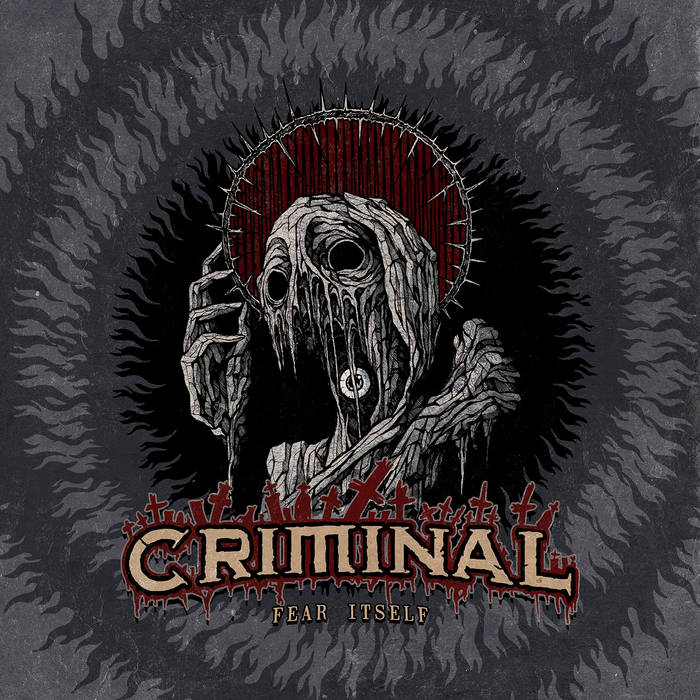
For regional bands like Criminal, who bridge death metal intensity with thrash metal precision, Slipknot's mainstream crossover validates the commercial potential of uncompromising heavy music while maintaining artistic integrity. The fashion industry's embrace of metal aesthetics opens new revenue streams and creative partnerships for South American acts seeking international exposure beyond traditional touring circuits.
Health, Survival, and Community Strength
Coal Chamber drummer Mikey Cox's victorious battle against stage 3 cancer serves as a powerful reminder of the metal community's resilience and mutual support systems. This triumph resonates particularly strongly within South American metal scenes, where underground networks have historically provided crucial support for musicians facing economic hardship, political instability, and limited healthcare access.
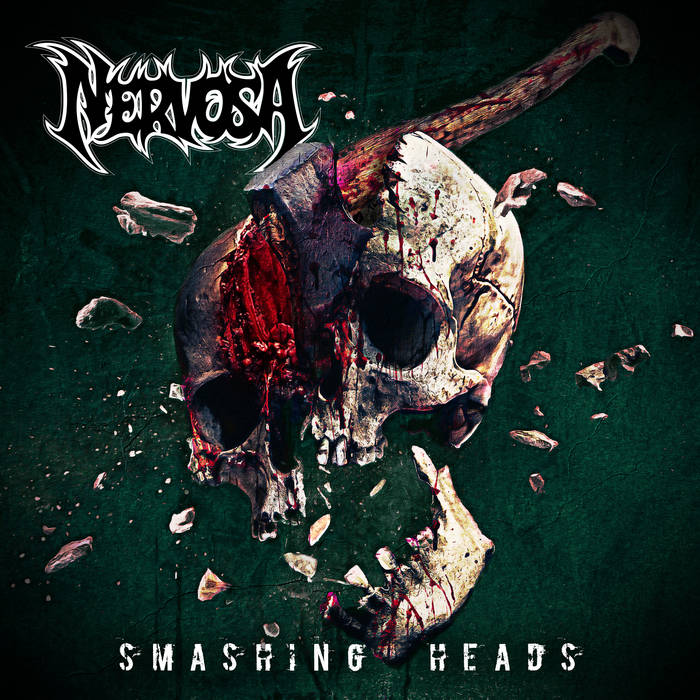
The solidarity demonstrated by metal communities during health crises reflects values deeply embedded in South American heavy music culture, where bands like Nervosa and Mystifier have built careers through community support and mutual aid rather than corporate backing. Cox's recovery story reinforces the power of these networks and their potential to support artists throughout Latin America.

The Post-Hardcore Evolution and Regional Parallels
Static Dress's melodic departure with their "hospice" single demonstrates how modern post-hardcore continues evolving beyond its aggressive foundations. This creative flexibility mirrors approaches taken by South American acts who have long understood that survival in regional markets requires versatility without sacrificing core identity.
The UK band's willingness to explore vulnerability and melody within their heavier framework parallels developments across South American metalcore and post-hardcore scenes, where acts have integrated acoustic elements, electronic textures, and folk influences while maintaining the intensity that defines their local scenes.
Genre Evolution and Cross-Cultural Exchange
Dave Grohl's recent enthusiasm for a band that emerged alongside Nirvana highlights how veteran musicians continue discovering new influences and creative partnerships. This openness to cross-generational collaboration creates opportunities for South American acts who possess both historical knowledge of metal's foundational eras and contemporary innovation that could intrigue established international artists.
The ongoing dialogue between established legends and emerging talent reflects broader industry trends toward collaboration over competition. New metal bands 2026 from South America enter this landscape with advantages including authentic underground credibility, technical proficiency developed through resource constraints, and cultural perspectives that offer fresh approaches to familiar genres.
Festival Culture and Regional Positioning
While North American festivals announce elaborate multi-day electronic events and touring packages featuring classic rock acts, South American metal festivals continue developing their reputation for showcasing both international headliners and exceptional regional talent. The contrast highlights different approaches to festival culture, with South American events often emphasizing community building and artist development over pure commercial spectacle.
Downtown Boys' return after nine years of silence demonstrates how punk and metal acts can maintain relevance through strategic timing rather than constant output. This model suits South American bands who often balance music careers with other professional obligations while building sustainable creative practices that prioritize longevity over immediate commercial success.
The Future of South American Thrash
As thrash metal experiences renewed international attention through legendary bands revisiting classic material and luxury brands embracing metal aesthetics, South American scenes possess the technical excellence and authentic underground heritage to capitalize on these trends. The region's best metal bands combine historical knowledge of thrash fundamentals with contemporary production capabilities and global connectivity that previous generations lacked.
The convergence of nostalgia marketing, cross-industry collaboration, and health awareness within metal communities creates unprecedented opportunities for South American acts to achieve international recognition while maintaining the community values and musical integrity that define regional scenes. Whether through direct international touring, collaborative projects with established acts, or innovative approaches to digital promotion, the future belongs to artists who understand both metal's history and its evolving cultural significance.