Legal Battles and Equipment Theft Expose Metal Industry's Underground Vulnerability While South American Scene Provides Stability Blueprint
The metal world's ongoing legal disputes and equipment theft epidemic reveal systemic vulnerabilities that threaten the industry's underground foundations, while South America's collaborative metal community demonstrates how regional solidarity creates sustainable protection for touring acts and independent musicians.
Industry Legal Chaos Signals Deeper Infrastructure Problems
Recent court victories in high-profile equipment distribution lawsuits highlight the complex web of business relationships that can make or break metal careers. When major distributors and guitar manufacturers engage in lengthy legal battles over licensing agreements, the ripple effects reach far beyond corporate boardrooms. These disputes directly impact the availability and pricing of professional equipment that touring metal acts depend on for survival.
The situation becomes more precarious when combined with the epidemic of equipment theft plaguing touring musicians. Professional-grade amplifiers, guitars, and recording gear represent massive investments for independent acts, often accumulated over years of careful purchasing and upgrading. When entire trailer loads of equipment disappear overnight, musicians face the devastating choice between bankruptcy and retirement.
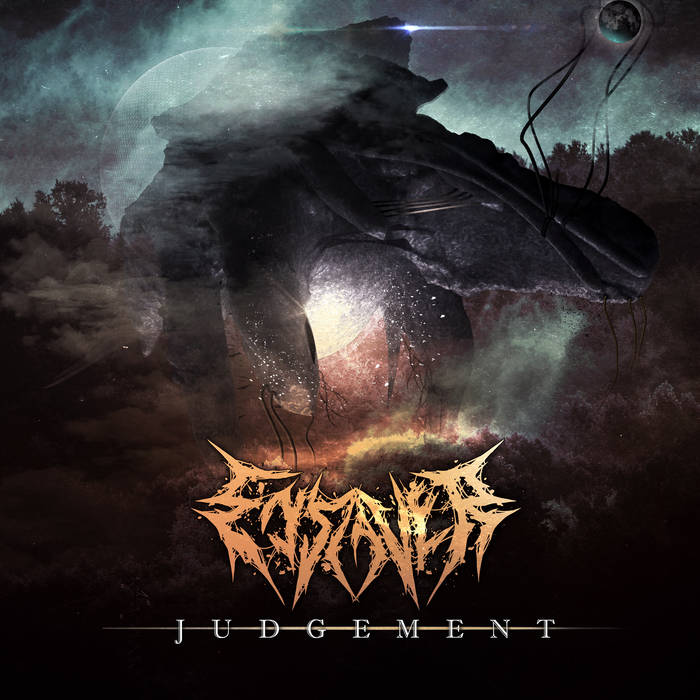
South America's metal community has historically addressed these vulnerabilities through informal networks of mutual support and shared resources. Brazilian thrash acts like Violator and Enslaver demonstrate how regional cooperation creates resilience against equipment loss and financial disaster. These underground networks share backline equipment, coordinate gear transportation, and provide emergency replacements when theft or damage occurs.
The Economics of Metal Survival in an Unstable Industry
Crowdfunding campaigns for stolen equipment reveal the metal community's grassroots solidarity, but they also expose the industry's failure to protect its most vulnerable participants. Professional musicians operating at the club and theater level exist in a precarious space where a single theft or legal dispute can end careers overnight.
This economic fragility particularly impacts death metal and black metal acts, genres that often require specialized equipment to achieve their signature sounds. Chilean bands like Metastasis and Brazilian extreme acts including Grave Desecrator navigate these challenges through community-based support systems that prioritize collective security over individual competition.
The South American metal scene's approach to equipment sharing and tour logistics offers a blueprint for sustainable underground operations. Rather than relying on corporate distribution chains or vulnerable individual ownership models, regional metal communities create cooperative networks that distribute risk while maintaining artistic independence.
Legal Battles Shape Equipment Access and Pricing
Court decisions in equipment distribution cases directly influence which guitars, amplifiers, and recording gear remain accessible to working musicians. When distributors win major lawsuits, they gain increased control over pricing and availability. When manufacturers prevail, it often signals changes in licensing agreements that affect independent music stores and rental companies.
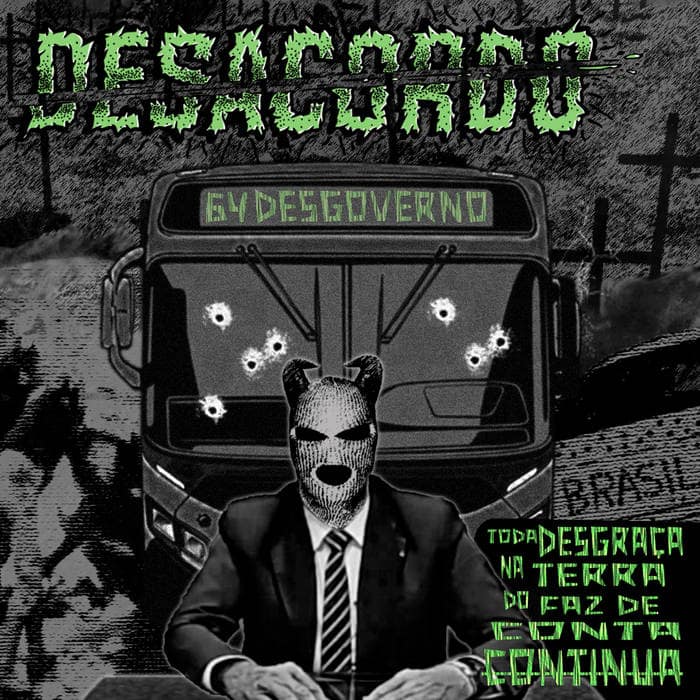
These legal outcomes particularly impact thrash metal and crossover acts that depend on specific amplifier and guitar combinations to achieve their sound. Brazilian crossover bands like Melody Monster and Desacordo represent genres where equipment authenticity directly correlates with artistic credibility and audience acceptance.
South American metal scenes have developed alternative approaches to equipment acquisition that reduce dependence on major distributors. Local luthiers, electronics technicians, and equipment modifiers create custom solutions that often surpass mass-produced alternatives in both quality and affordability. This grassroots innovation ecosystem provides economic independence while fostering distinctive regional sounds.
Theft Prevention Through Community Networks
The vulnerability of touring equipment to theft represents more than financial loss—it threatens the continuity of metal culture itself. Professional-grade gear enables musicians to translate studio recordings into live performances that build audiences and sustain careers. When equipment disappears, the ripple effects impact venues, promoters, and entire local scenes.
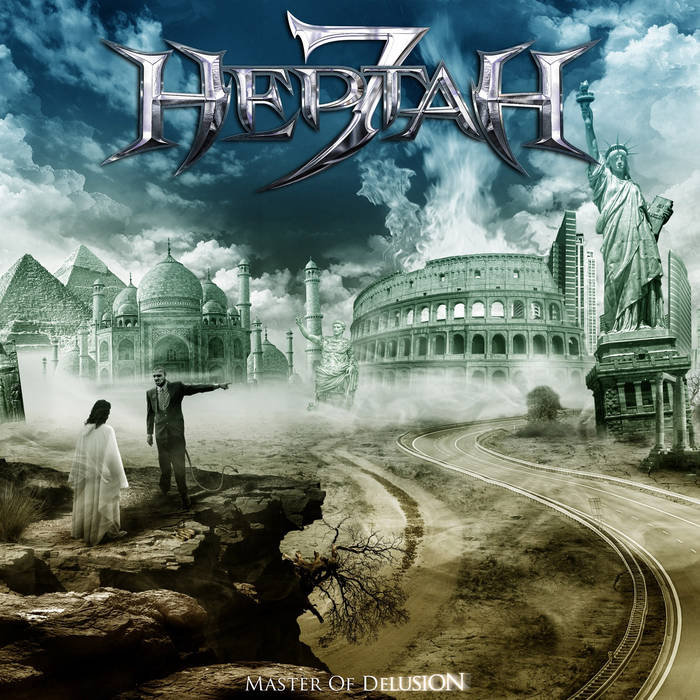
Progressive metal acts face particular challenges due to their complex equipment requirements. Bands like Maestrick and Heptah demonstrate how South American progressive scenes address these vulnerabilities through collaborative approaches to equipment management and tour logistics.
The South American model emphasizes collective ownership and shared responsibility for high-value equipment. Rather than individual bands traveling with complete rigs, regional networks maintain shared inventories of backline gear, recording equipment, and transportation resources. This approach distributes theft risk while reducing the financial burden on individual acts.
Regional Solidarity Versus Corporate Vulnerability
International metal tours increasingly rely on complex logistics chains that create multiple points of vulnerability. Equipment theft often occurs during transport between venues or overnight parking at hotels and rest stops. Corporate security measures focus on insurance coverage rather than prevention, leaving musicians to absorb the practical consequences of equipment loss.

South American metal communities prioritize prevention through community vigilance and mutual support. Local venues, promoters, and musicians coordinate to provide secure equipment storage and transportation. This grassroots approach proves more effective than corporate insurance policies at maintaining tour continuity and protecting artistic careers.
The success of this regional model extends beyond equipment protection to encompass broader career sustainability. Musicians operating within supportive community networks demonstrate greater longevity and artistic development compared to acts dependent solely on corporate infrastructure and individual resources.
Building Sustainable Underground Infrastructure
The metal industry's legal battles and theft epidemics highlight the urgent need for sustainable infrastructure that protects underground musicians while preserving artistic independence. South American metal scenes provide working examples of community-based solutions that address these challenges without compromising creative freedom.
Heavy metal and power metal acts benefit particularly from stable regional networks that support consistent touring and recording activities. The collaborative approach demonstrated by South American scenes creates economic resilience that enables sustained artistic development and international recognition.
As the global metal industry grapples with increasing vulnerability and corporate consolidation, the South American model of community-based support and resource sharing offers a viable alternative. These regional networks demonstrate how underground solidarity can create sustainable careers while maintaining the authenticity and independence that define metal culture.
The future of metal music depends on communities that prioritize collective security and mutual support over individual competition and corporate dependence. South American metal scenes continue to lead by example, showing how regional cooperation creates the stability necessary for artistic innovation and cultural preservation.