Unity Through Discord: System of a Down's Colombia Performance and the Political Divide Reshaping South American Metal Communities
When Megadeth took the stage in Colombia to debut their live cover of Metallica's "Ride The Lightning," they weren't just performing a song—they were participating in a moment that perfectly encapsulates the complex relationship between metal music and political discourse in South America. The performance coincided with System of a Down guitarist Daron Malakian's recent call for unity despite ideological differences, creating a fascinating backdrop for examining how political polarization affects metal communities across the continent.
The Colombia Connection: When Metal Legends Cross Borders
Megadeth's choice to debut their Metallica cover in Colombia wasn't arbitrary. The country has long served as a crucial hub for international metal tours in South America, with venues that can accommodate major productions and audiences hungry for world-class heavy music. The fact that they chose this particular moment to unveil a cover that bridges one of metal's most famous rivalries speaks volumes about the symbolic weight these performances carry.
The timing proves especially significant given Malakian's concurrent message about finding common ground despite fundamental disagreements. "If we can be on stage together and have different thoughts and different beliefs, you can be together too," his statement resonates deeply with South American metal communities that have historically navigated complex political landscapes while maintaining their dedication to heavy music.
Political Tensions and Underground Solidarity
Malakian's call to "stop letting the media divide you" and "stop letting the government divide you" arrives at a particularly relevant moment for South American metal scenes. Across the continent, bands have long grappled with expressing political viewpoints while maintaining unity within their local metal communities. This tension becomes especially apparent in countries where political divisions run deep and economic instability affects touring opportunities and venue availability.
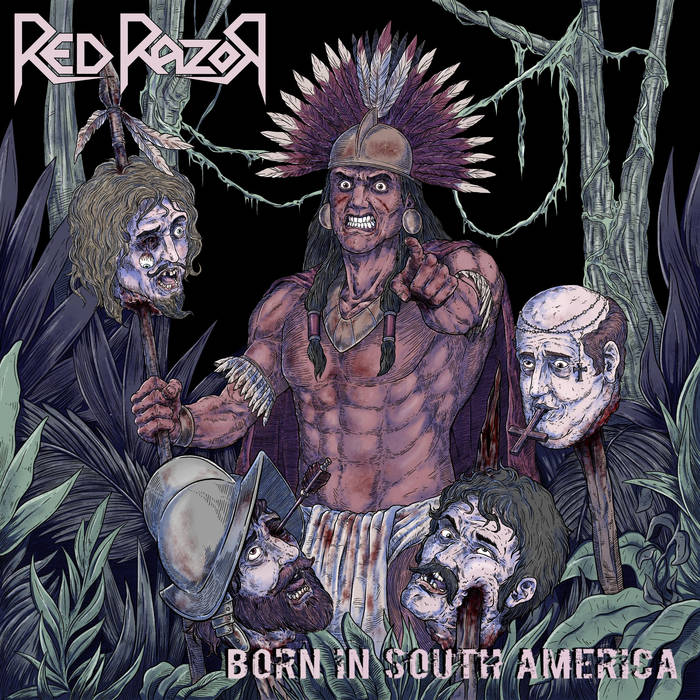
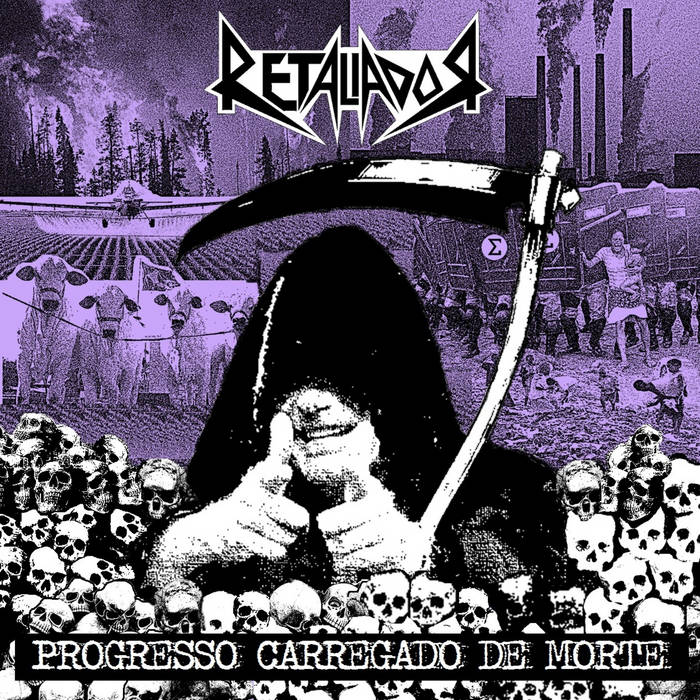
The thrash metal scene, in particular, has always carried political undertones, making bands like Red Razor and Retaliador natural inheritors of this tradition. These acts represent a generation of South American thrash bands that understand how to channel political energy without fracturing their fan base—a skill that becomes increasingly valuable as global political discourse grows more divisive.
Beyond Boundaries: Genre Unity in Divisive Times
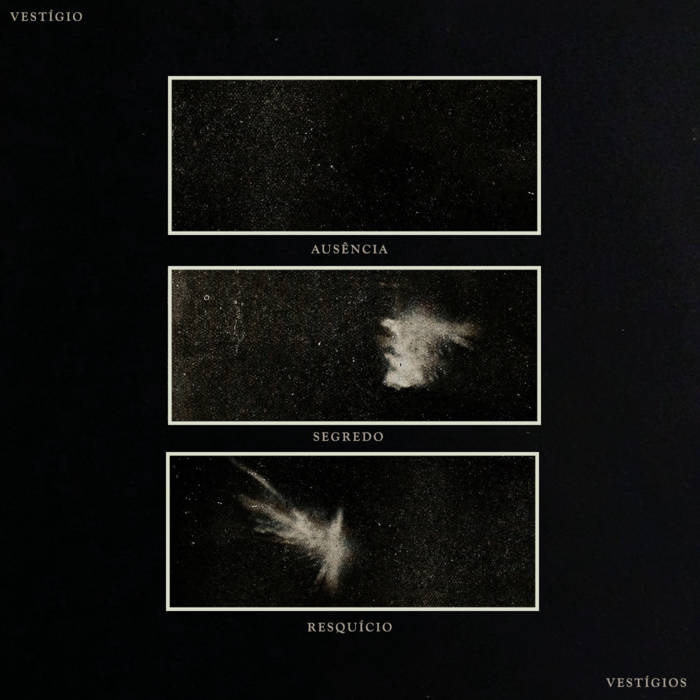
The conversation about unity despite differences extends beyond politics into musical territories. South American metal has always thrived on cross-genre pollination, with black metal acts like Vestígio incorporating atmospheric elements while maintaining underground credibility, and bands like Mantra Cornuta blending groove and nu-metal influences without losing their edge.
This musical diversity mirrors the ideological diversity that Malakian advocates for. Just as System of a Down can function with members holding different political views, South American metal scenes demonstrate daily how extreme metal, doom, gothic, and hardcore can coexist and cross-pollinate within the same local scenes. Venues across the continent regularly host bills featuring death metal acts alongside black metal bands, creating spaces where musical differences enhance rather than divide communities.
The Commercial Reality of Division
While calls for unity sound idealistic, they carry practical weight in markets where metal scenes depend on community solidarity for survival. South American metal bands operate in economies where every ticket sale matters, making political divisions a potential business liability. When international acts like Korn debut new material with accompanying video campaigns, the contrast becomes apparent—major label resources versus underground determination.
The current news cycle's emphasis on new music videos and major label announcements highlights this disparity. While established acts can afford elaborate promotional campaigns, South American metal bands must rely on word-of-mouth, local venue support, and community engagement. This economic reality makes unity less of an abstract ideal and more of a survival strategy.
Touring as Cultural Exchange
The announcement of various North American and European tours underscores how touring has become increasingly complex in a politically charged environment. When bands like Kittie announce Los Angeles shows or various acts prepare for festival appearances, they're navigating not just logistical challenges but cultural and political sensitivities as well.
For South American metal acts, international touring requires even more careful navigation. Visa restrictions, economic barriers, and political tensions between countries can impact tour routing and audience reception. The example of international acts successfully performing in Colombia despite various geopolitical complexities provides a template for how music can transcend political boundaries when artists and audiences commit to that transcendence.
Underground Values in Mainstream Moments
Perhaps most intriguingly, the juxtaposition of Slipknot music appearing in Gucci advertising campaigns against calls for authentic unity reveals the ongoing tension between metal's commercial appeal and underground values. South American metal scenes have always maintained strong underground ethics, partly by necessity and partly by choice.
This underground authenticity becomes an asset when international conversations turn toward genuine connection versus manufactured marketing messages. Bands that have built careers through community engagement rather than corporate partnerships often find themselves better positioned to weather political storms and maintain fan loyalty across ideological divides.
The Technical Death Metal Example
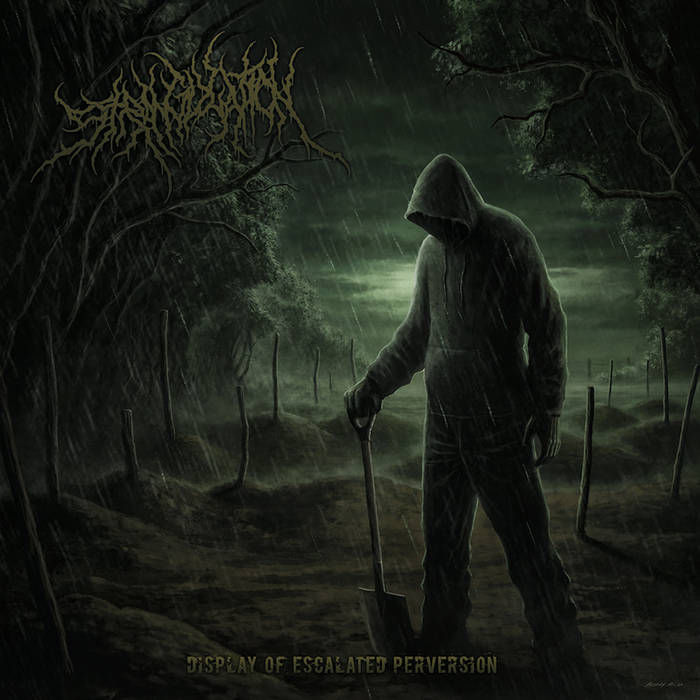
The technical death metal scene provides perhaps the best example of how musical excellence can unite diverse audiences. Acts like Strangulation demonstrate how technical proficiency creates common ground among listeners who might disagree on everything except their appreciation for musical complexity and performance skill.
This technical excellence serves as a universal language that transcends political boundaries. When musicians focus on pushing creative boundaries and delivering exceptional performances, audiences respond to that authenticity regardless of their personal political leanings. The approach offers a practical path forward for maintaining community cohesion without requiring ideological conformity.
Looking Forward: Sustainable Metal Communities
As the metal world continues to grapple with political polarization, South American scenes offer valuable lessons about maintaining community solidarity while respecting individual differences. The continent's metal history includes navigating military dictatorships, economic crises, and social upheaval while preserving vibrant underground music scenes.
The key lies in understanding that metal's power has always come from its ability to unite outsiders and misfits around shared musical values rather than shared political opinions. When international acts like System of a Down and Megadeth perform in South America, they're participating in this tradition of music as a unifying force that transcends other divisions.
The challenge moving forward involves maintaining this unity while still allowing space for political expression and social commentary that has always been part of metal's DNA. Success requires focusing on what brings metal communities together—appreciation for technical skill, authentic expression, and the cathartic power of heavy music—rather than what might drive them apart.