Veterans Return to Classic Form While New Generation Technical Death Metal Achieves International Recognition
The metal world's recent embrace of nostalgia and technical evolution creates unprecedented opportunities for South America's diverse heavy music community. As legendary acts revisit their foundational material and rising bands push artistic boundaries, the continent's metal scene finds itself uniquely positioned to benefit from both trends.
The Old-School Revival Movement
Doom metal pioneers continue demonstrating the enduring power of their classic material, with TROUBLE's recent festival performance showcasing an entirely old-school setlist that emphasized their foundational albums. This trend toward vintage material reflects broader industry recognition that the best metal albums of all time maintain their relevance decades after release. For South American doom acts like Mono Histeria and These Dark Trails, this nostalgic movement validates their own dedication to traditional doom aesthetics while proving that authentic heavy music transcends generational boundaries.

The revival extends beyond doom into thrash metal's ongoing evolution. When established bands revisit classic material, it creates space for emerging acts to demonstrate how traditional approaches remain vital. South America's thrash scene, exemplified by bands like Warmachine and Raptores, has maintained these traditional values throughout metal's various trend cycles, positioning them perfectly for the current old-school revival.
Technical Innovation Meets Underground Authenticity
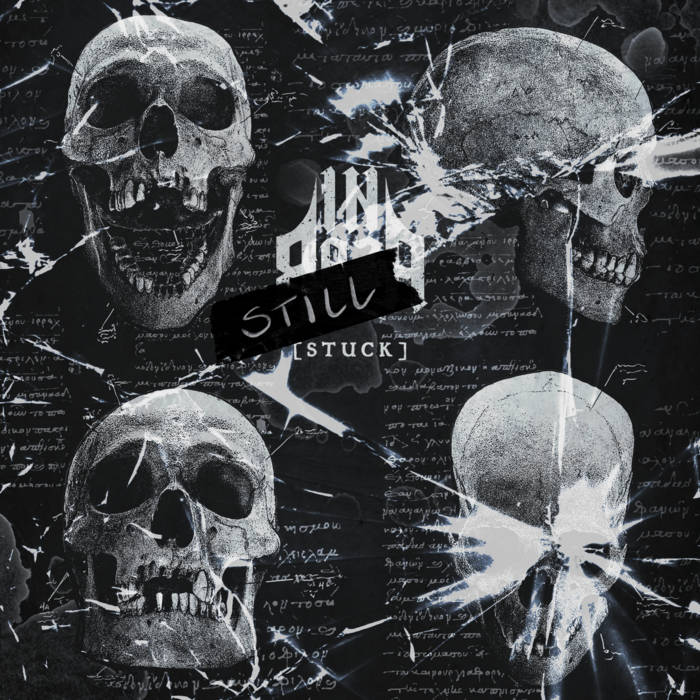
While veteran acts embrace their classic periods, Norwegian black metal legends continue pushing creative boundaries with newly completed recordings that promise significant evolution. This dual approach—honoring tradition while embracing innovation—mirrors South America's metal philosophy perfectly. The continent's technical death metal scene, represented by acts like Ayin, combines traditional extreme metal foundations with progressive compositional approaches that international audiences increasingly appreciate.
The metalcore and hardcore scenes also demonstrate this balance between innovation and tradition. Recent announcements of conceptually ambitious albums suggest that heavy music's creative renaissance extends across all subgenres. South American metalcore acts like Inraza have long understood that technical proficiency must serve songwriting rather than overshadow it, an approach that aligns with current industry trends favoring substance over superficial complexity.
Professional Infrastructure Development
The metal industry's increasing sophistication creates opportunities for regions with strong underground infrastructure. Recent court proceedings involving prominent metalcore musicians highlight how professional success brings increased scrutiny, demonstrating why South America's grassroots metal community advantages from building sustainable career foundations rather than chasing immediate fame.
This professional evolution benefits new metal bands 2026 throughout South America who can leverage established underground networks while avoiding the pitfalls that affect hastily constructed music careers. The continent's metal scene has developed organically over decades, creating sustainable ecosystems that support long-term artistic development rather than short-term commercial exploitation.
Cross-Genre Pollination and Creative Freedom
The boundaries between metal subgenres continue dissolving as artists explore diverse influences. Recent performances by established acts include deep cuts and rarities that showcase their range beyond signature hits. This creative freedom encourages South American metal musicians to embrace their diverse cultural influences rather than conforming to narrow genre expectations.
Black metal acts like Black Grail and Totemcult exemplify this approach, incorporating regional atmospheric elements that create distinctive sounds while maintaining genre authenticity. Their success demonstrates how best metal bands emerge from specific cultural contexts rather than generic international templates.
Festival Culture and Live Performance Evolution
The European festival circuit's continued emphasis on diverse lineups creates opportunities for South American acts ready to showcase their live capabilities. Recent festival performances demonstrate how audiences appreciate both nostalgic sets and experimental material, suggesting that metal bands touring 2026 can succeed by offering authentic experiences rather than following predictable formulas.
South America's metal infrastructure increasingly supports international touring, with improved logistics and professional standards making the continent attractive for both visiting acts and outbound tours. This bidirectional flow benefits local scenes by exposing them to international approaches while showcasing their unique contributions to global metal culture.
Recording Technology and Artistic Vision
The completion of high-profile albums by legendary acts demonstrates how modern recording technology serves artistic vision rather than dominating it. South American metal scenes have always emphasized songwriting and performance over production gimmicks, an approach that aligns perfectly with current trends favoring authenticity over artificial perfection.
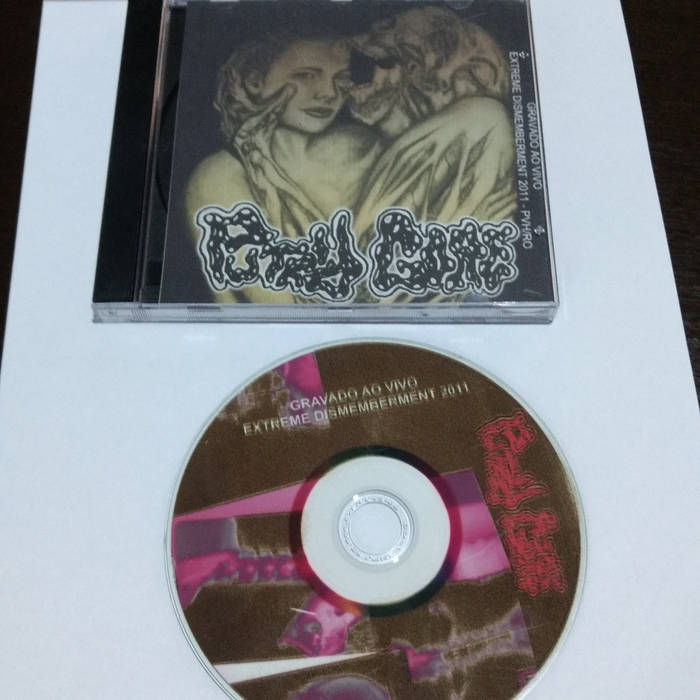
Death metal acts like Cancerbero and Putrid Gore understand that brutal music requires genuine intensity rather than digital enhancement. Their commitment to organic sound creation positions them advantageously as international audiences increasingly reject over-produced metal in favor of raw authenticity.
Legacy Acts and Generational Transition
The metal world's ongoing generational transition creates space for new voices while respecting established contributions. Recent revelations about legendary bands planning future albums suggest that veteran acts understand their responsibility to mentor emerging talent rather than simply competing with it.
This collaborative approach benefits South America's metal community, where cross-generational cooperation has always been standard practice. Veteran acts support younger bands through shared bills and mentorship, creating sustainable scenes that develop organically rather than through industry manipulation.

Regional Identity in Global Context
The South American metal scene continues demonstrating how regional identity enhances rather than limits international appeal. As global metal audiences seek authentic experiences beyond homogenized commercial products, South America's diverse metal communities offer genuine cultural perspectives that enrich the worldwide heavy music conversation.
From Brazil's technical death metal excellence to Chile's atmospheric black metal innovation, each country contributes distinctive elements while maintaining continental solidarity. This approach proves that the best heavy metal songs emerge from specific cultural contexts rather than generic international formulas, positioning South American metal for continued international recognition.
The continent's metal scene stands ready to capitalize on current industry trends that favor authenticity, technical excellence, and genuine community engagement over artificial marketing strategies and manufactured controversy. As global metal continues evolving, South America's underground excellence increasingly represents the future of heavy music's authentic development.