Drum Legends and Experimental Collaborations Reshape Metal's Creative Boundaries as South American Extreme Scene Demonstrates Cross-Genre Mastery

The metal world's most intriguing developments currently center around legendary drummers exploring new creative territories and unexpected collaborations that challenge traditional genre boundaries. These trends create significant opportunities for South America's extreme metal community, which has long excelled at the kind of cross-genre experimentation now gaining international recognition.
Dave Lombardo's Experimental Journey Continues
The legendary Slayer drummer continues pushing creative boundaries through multiple projects that demonstrate how veteran musicians can remain relevant through constant innovation. His involvement with Satanic Planet, which recently signed to Relapse Records, represents a fascinating evolution from his thrash metal origins into more experimental territories. This project combines his rhythmic mastery with avant-garde elements that blur the lines between metal, punk, and experimental music.
Even more surprising is his collaboration with William Shatner on an upcoming heavy metal album that promises to be unlike anything in the actor's extensive catalog. This unexpected pairing illustrates how metal's current landscape rewards bold creative risks over safe commercial choices—a principle that South American extreme metal acts have been practicing for decades.
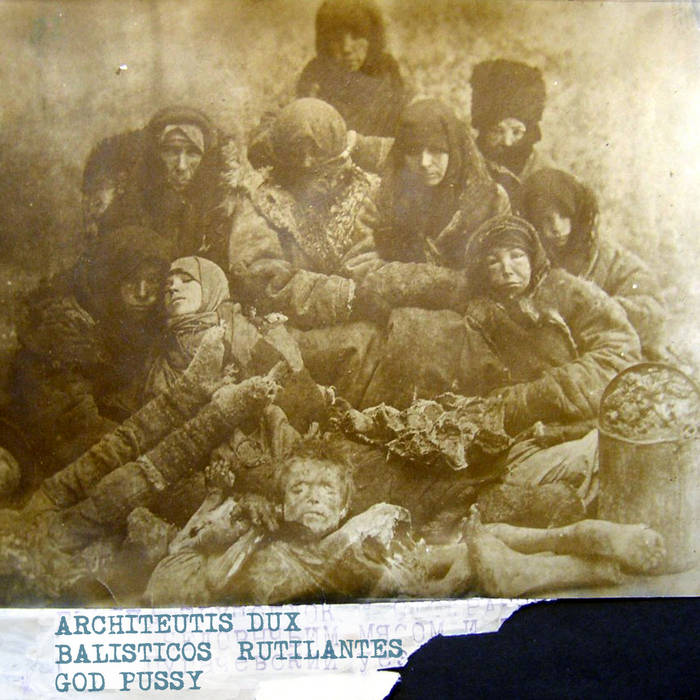
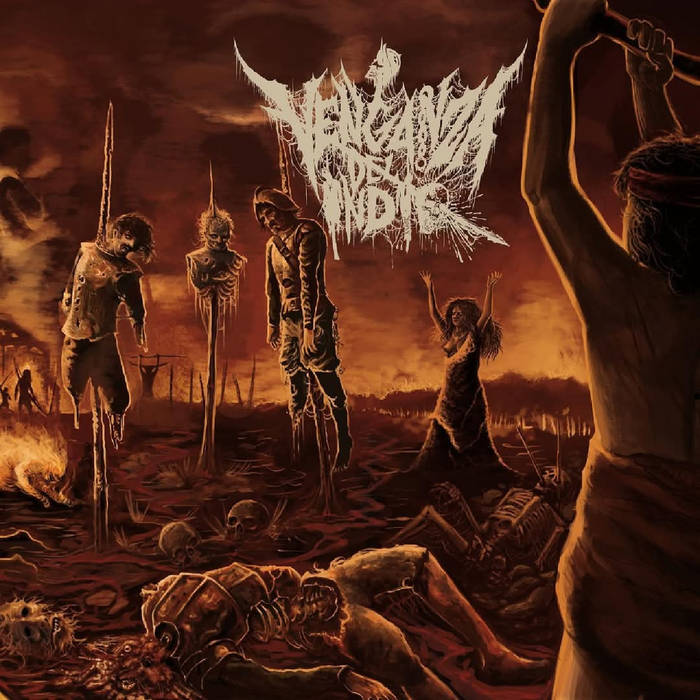
For South American drummers and extreme metal acts, Lombardo's approach offers a blueprint for career longevity through creative exploration. Bands like Architeuthis Dux and Venganza del Indio have already demonstrated similar cross-genre mastery, combining death metal and grindcore with experimental elements that showcase the region's willingness to push creative boundaries.
Genre-Blending Becomes Industry Standard
The success of UK outfit Loathe, now preparing their first album in six years titled "A Stranger To You" for July release, exemplifies how genre-blending has evolved from experimental curiosity to industry expectation. Their ability to seamlessly incorporate elements from multiple heavy music traditions reflects a broader shift toward musical sophistication that South American metal acts are uniquely positioned to capitalize on.
This trend toward genre fluidity extends beyond individual bands to entire scenes. The current metal landscape increasingly rewards acts that can authentically incorporate diverse influences while maintaining heavy music's essential power and intensity. South America's extreme metal community has been perfecting this approach for years, combining traditional heavy metal with indigenous cultural elements, progressive complexity, and extreme metal techniques.
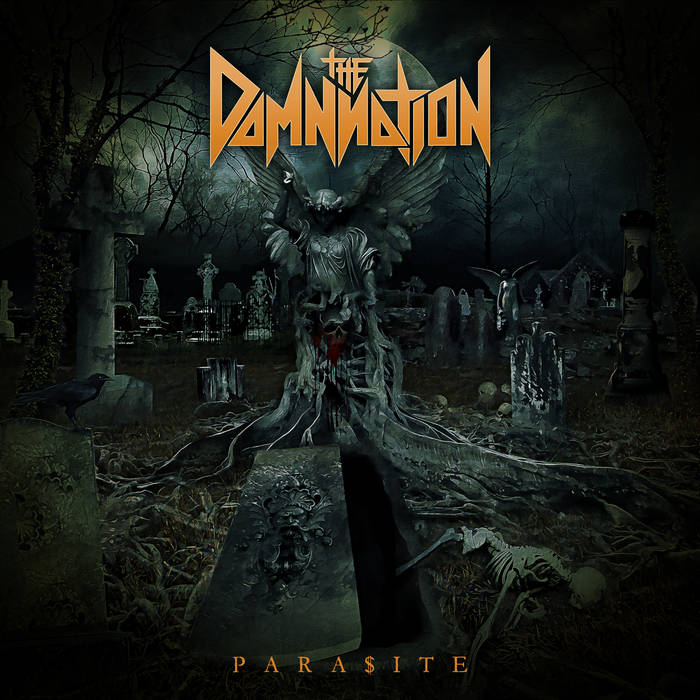
The technical proficiency required for effective genre-blending aligns perfectly with South America's established reputation for producing some of the world's best metal bands in terms of pure musicianship. Acts like Zênite and The Damnnation demonstrate the kind of technical excellence that international audiences increasingly demand from innovative heavy music.
Veteran Acts Navigate Creative Transitions
The announcement that '68 will release their farewell album "They Are Survived By" represents another example of how established acts are making bold creative decisions rather than simply maintaining status quo operations. This willingness to embrace endings and new beginnings reflects a broader industry trend toward artistic integrity over commercial predictability.
Similarly, Godsmack's decision to continue with a new lineup after member departures demonstrates how veteran acts can maintain relevance through strategic reinvention. These developments create opportunities for younger musicians and emerging scenes to contribute to established metal legacy projects while building their own recognition.
For the South American metal scene, these transitions signal opportunities to contribute technical expertise and fresh perspectives to international projects. The region's musicians have consistently demonstrated the kind of professional reliability and creative innovation that veteran acts seek when rebuilding or exploring new directions.
Remix Culture and Technical Innovation
Architects' release of remixes for "Broken Mirror" and "Everything Ends" illustrates how established metal acts are embracing digital-age creative possibilities. These reimagined versions, overseen by Daniel Joseph, demonstrate how modern metal production can enhance rather than replace original compositions through technical innovation and creative reinterpretation.
This embrace of remix culture creates new opportunities for producers, engineers, and technically skilled musicians who can contribute to reimagined versions of established material. South America's metal community includes numerous producers and engineers with the technical skills necessary for high-level remix and remastering work.
The region's extreme metal acts have also proven adept at incorporating electronic elements and production techniques into their compositions without sacrificing authenticity or power. This technical versatility positions South American musicians as valuable collaborators for international acts exploring similar creative territories.
Regional Scene Implications
These international developments create several opportunities for South America's extreme metal community. The industry's current emphasis on creative risk-taking and genre experimentation aligns perfectly with the region's established approach to heavy music, which has always embraced diversity and technical excellence over commercial conformity.
The success of cross-genre collaborations and experimental projects signals increased industry openness to unconventional approaches—exactly the kind of creative environment where South American extreme metal can thrive. The region's bands have been perfecting genre-blending techniques for decades, combining death metal, black metal, thrash, and grindcore with progressive elements and cultural influences that create uniquely compelling results.
Furthermore, the international metal community's growing appreciation for technical proficiency and authentic artistic vision favors regions like South America, where extreme metal acts have maintained high standards for musicianship while developing distinctive creative voices. As veteran international acts seek fresh perspectives and innovative approaches, South American extreme metal stands ready to contribute both technical excellence and creative authenticity.
The current trends toward experimental collaboration, genre-blending, and creative risk-taking represent validation of approaches that South American extreme metal has been perfecting for years. As the international metal community continues embracing these developments, the region's extreme metal scene is positioned to play an increasingly important role in global heavy music evolution.