Reunion Fever and New Creative Ventures Drive Metal's Revival Movement as South American Heavy Scene Prepares for Global Recognition
The metal world is experiencing an unprecedented wave of reunions and creative reinventions, from Queens of the Stone Age welcoming back Nick Oliveri after more than a decade to legendary acts like Kiss reflecting on their historic comeback moments. This reunion fever, combined with established artists launching new ventures, signals a broader revival movement that positions South America's diverse heavy metal ecosystem for substantial international recognition.
Iconic Reunions Reshape Metal's Landscape
The recent on-stage reunion between Queens of the Stone Age and former bassist Nick Oliveri marks a significant moment in alternative metal history. After more than ten years of separation, Oliveri's return to perform "Auto Pilot" with his former bandmates demonstrates how time can heal creative rifts and restore artistic partnerships that once defined the genre's evolution.
This reconciliation trend extends beyond individual performances. Kiss drummer Peter Criss recently reflected on the band's monumental 1996 reunion, describing how "it was like time stood still" during their MTV Unplugged appearance that catalyzed their historic worldwide tour. These moments of reflection and reunion create a nostalgic atmosphere that benefits both veteran acts and emerging bands capable of channeling that classic heavy metal spirit.
For South America's established heavy metal acts like Warlord and Conan, this reunion fever creates opportunities to reconnect with international audiences hungry for authentic heavy metal experiences. The global appetite for genuine metal heritage positions regional bands with decades of experience as attractive alternatives to manufactured nostalgia.
Creative Evolution and New Musical Ventures
While reunions dominate headlines, established artists are simultaneously launching ambitious new projects. Sepultura's Derrick Green has confirmed plans for a completely new band as the Brazilian metal legends approach their farewell tour. This strategic creative transition demonstrates how experienced musicians can leverage their established reputations to explore fresh artistic territories while maintaining connection to their metal roots.
The trend toward creative reinvention extends across multiple subgenres. Godsmack's Sully Erna has confirmed new musical material despite significant lineup changes, proving that core creative vision can sustain band identity even through major personnel transitions. This evolution mindset benefits South American metal scenes where musicians frequently collaborate across projects and maintain multiple creative outlets.
Progressive and power metal acts throughout Brazil, Argentina, and Chile have long understood this collaborative approach. Bands like Apeiron and Castlevania represent this tradition of creative flexibility that allows musicians to pursue diverse projects while strengthening the overall regional scene.
Genre Boundaries Dissolve as Innovation Accelerates
The current metal revival transcends traditional genre limitations. Boundary-pushing acts are announcing ambitious new albums that blend previously distinct styles, while veteran musicians explore unexpected creative partnerships. This genre fluidity particularly benefits South American metal scenes that have always excelled at combining indigenous musical elements with international heavy metal traditions.
Death metal and black metal acts across the continent have consistently demonstrated this innovative approach. Bands like Cronos N.T. and Murderess represent the technical excellence and creative boundary-pushing that international audiences increasingly seek from extreme metal acts.
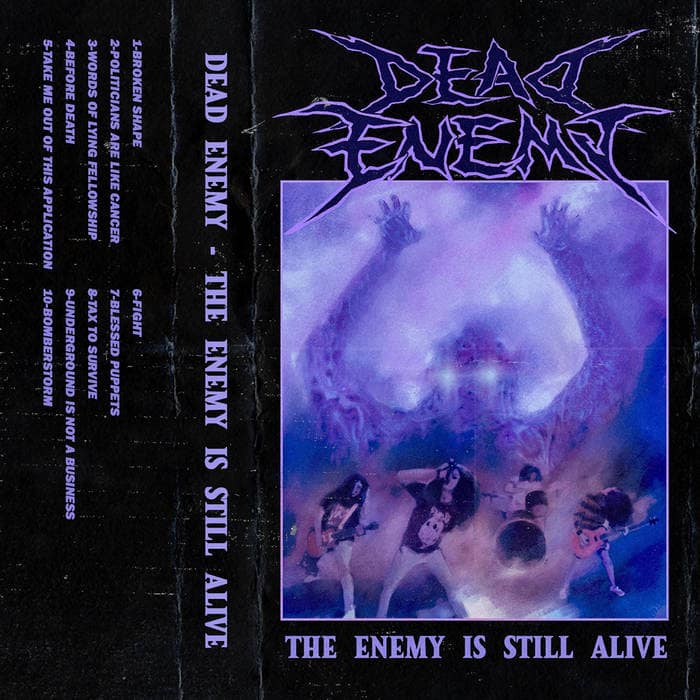
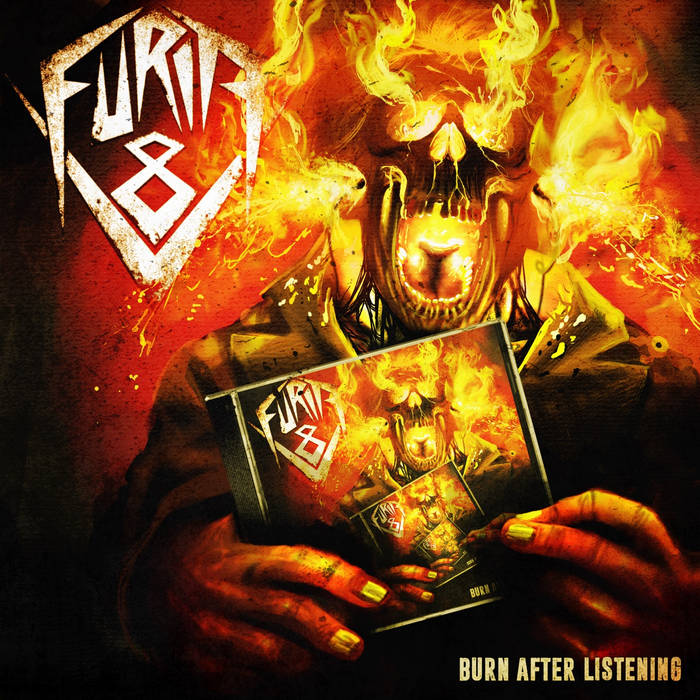
The thrash metal revival also creates significant opportunities for South American bands with decades of experience in the genre. Acts such as Dead Enemy and Furia V8 possess the authentic thrash credentials and technical proficiency that modern audiences demand from the genre's practitioners.
Festival Culture and Live Performance Renaissance
Recent major festival performances, including Korn debuting "Reward The Scars" at Sick New World, demonstrate how live venues remain crucial for introducing new material and maintaining artist relevance. This festival culture renaissance creates substantial opportunities for South American metal acts ready to showcase their talents on international stages.
The continent's metal infrastructure has evolved significantly in recent years, with professional booking networks, recording facilities, and promotional channels now capable of supporting international touring and festival appearances. Regional acts no longer face the geographic and logistical barriers that previously limited their global reach.
Doom and gothic metal acts like Ártemis and Burning Tears represent the atmospheric and emotional depth that festival audiences increasingly appreciate alongside traditional aggressive metal styles.
Industry Evolution Favors Authentic Metal Scenes
The metal industry's current evolution toward authenticity and genuine artistic expression particularly benefits South American scenes that have maintained their underground integrity while developing professional capabilities. Unlike markets oversaturated with manufactured metal acts, the continent offers international audiences access to bands with decades of authentic heavy metal experience.
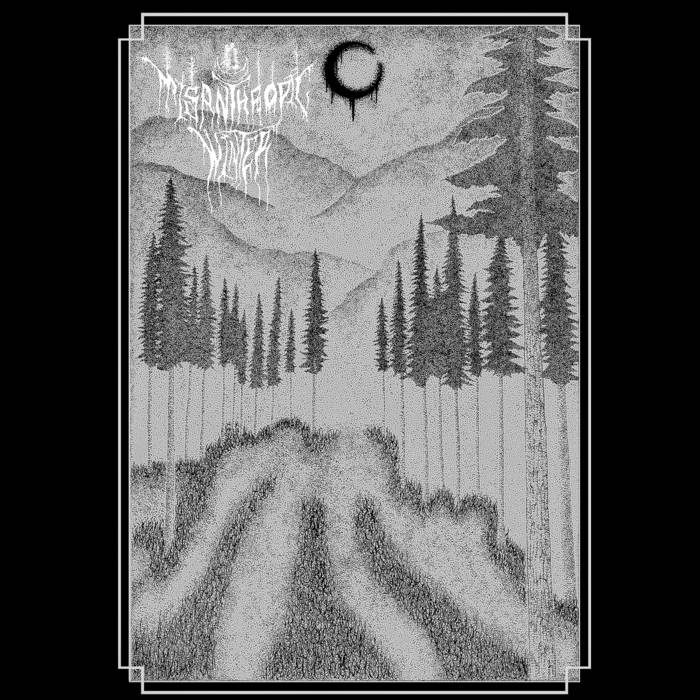
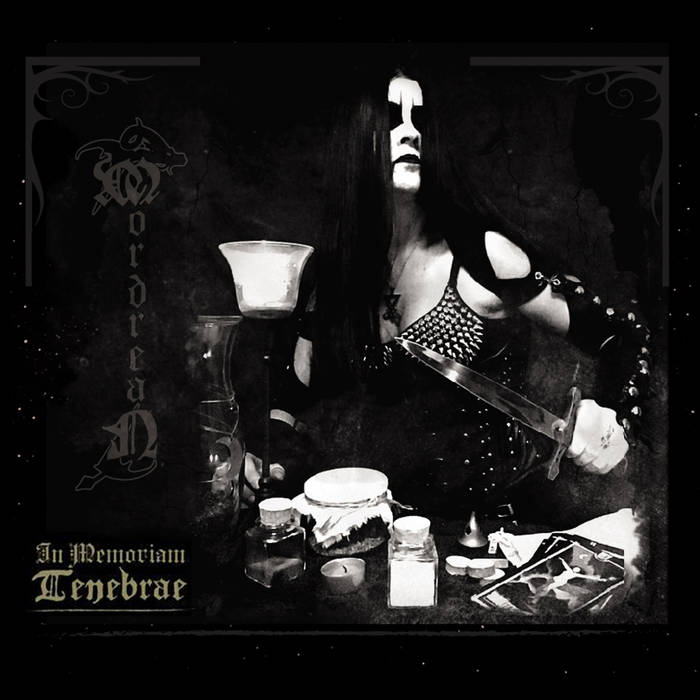
This authenticity advantage extends across multiple subgenres. Black metal acts like Misanthropic Winter and Mordrean represent the raw intensity and atmospheric creativity that the genre's global community increasingly values over polished commercial productions.
Speed metal and traditional heavy metal also benefit from this authenticity trend. Veteran acts and emerging bands alike can leverage the continent's rich metal heritage to attract international audiences seeking genuine heavy metal experiences rather than nostalgic retreads.
Technical Excellence Meets Global Recognition
The current reunion and revival movement coincides with increased international recognition of South American metal's technical excellence. Death metal acts like Primordium and Behatred possess the musical sophistication and creative vision that modern extreme metal audiences demand.
This technical recognition extends beyond extreme metal genres. Progressive and power metal acts throughout the continent have consistently demonstrated the musical complexity and compositional skill that positions them for international success as global audiences become more receptive to technically proficient metal from diverse geographic origins.
The confluence of reunion fever, creative evolution, and authenticity trends creates unprecedented opportunities for South American metal scenes ready to claim their position among the world's premier heavy music destinations. As established international acts navigate lineup changes and creative transitions, the continent's stable and technically excellent metal infrastructure presents compelling alternatives for audiences seeking genuine heavy metal experiences.
Regional metal communities continue building the professional networks and creative partnerships necessary to capitalize on these international opportunities, positioning South American heavy metal for substantial global recognition in the coming years.