Riverside's Internal Collapse and Ticket Revolution Signal Metal Industry Crisis as South American Progressive Excellence Emerges
The metal industry faces a watershed moment as established international acts crumble from internal tensions while simultaneously attempting to rebuild audience connections through radical pricing strategies. Riverside's shocking dissolution and Live Nation's desperate $30 "all-in" ticket initiative reveal an industry grappling with sustainability crises that South American progressive metal acts are uniquely positioned to address.
Progressive Metal's Leadership Vacuum Creates Continental Opportunity
Mariusz Duda's dramatic exit from Riverside represents more than a band breakup—it signals the collapse of progressive metal's established order. When a founding member declares his band cannot continue without him while citing irreconcilable internal tensions, it exposes the fragility of international progressive acts that have dominated festival lineups for decades.
This leadership vacuum arrives precisely as South America's progressive metal scene demonstrates the collaborative stability and technical sophistication that Riverside's implosion proves essential for longevity. While European progressive acts struggle with ego conflicts and creative disagreements, South American bands have cultivated a different approach to band leadership and artistic development.
The timing couldn't be more significant for regional acts like Bad Salad and Aquila, whose progressive metal expertise has been refined through decades of collaborative development rather than individual dominance. These bands understand that sustainable progressive metal requires shared creative vision rather than single-point leadership failures that devastate entire musical legacies.
Ticket Price Revolution Exposes Industry Desperation
Live Nation's unprecedented $30 "all-in" ticket initiative for over 4,000 shows, including select Iron Maiden and Motley Crue dates, represents a fundamental admission that current pricing strategies have failed to maintain audience engagement. When industry giants resort to radical price reductions across massive touring operations, it signals recognition that premium pricing has created barriers between artists and audiences that threaten the live music ecosystem's foundation.
This pricing revolution creates extraordinary opportunities for South American metal acts who have always operated within economic realities that prioritize accessibility over profit maximization. Regional scenes have developed sustainable touring models that maintain artistic integrity while keeping live music affordable for dedicated fan communities.
The contrast becomes stark when considering that South American metal venues have cultivated authentic audience relationships through consistent pricing and community engagement, while international touring operations now scramble to rebuild connections severed by years of escalating ticket costs. Regional promoters who maintained reasonable pricing strategies suddenly appear prescient rather than economically constrained.
Health Crises Accelerate Generational Transition
GWAR founding member Chuck Varga's cancer battle, while inspiring community support through blood donation campaigns, underscores the health realities facing metal's founding generation. These medical challenges create immediate touring disruptions and long-term questions about legacy act sustainability that ripple throughout the entire industry infrastructure.
South America's metal scene benefits from demographic advantages as younger musicians assume leadership roles while maintaining respect for foundational influences. The continent's metal communities have developed support networks that extend beyond individual band success, creating resilient ecosystems that can adapt to member changes and health challenges without complete organizational collapse.
This generational stability becomes crucial as international metal faces simultaneous crises of leadership health, internal band tensions, and audience reconnection. Regional acts enter a landscape where reliability and consistency carry premium value as touring planners seek dependable alternatives to volatile international bookings.
Publishing Catalog Sales Reflect Long-Term Uncertainty
David Lee Roth's decision to sell his Van Halen publishing catalog for substantial profits reveals veteran musicians' concerns about future industry sustainability. When iconic frontmen liquidate their most valuable intellectual property assets, it signals skepticism about long-term music industry economics that extends far beyond individual financial planning.
These catalog sales create complex implications for South American metal acts who have maintained ownership of their creative works through independent development strategies. While international stars cash out of intellectual property investments, regional bands retain control over their artistic legacies and future revenue streams.
The publishing liquidation trend also suggests that established international acts view current market conditions as peak opportunities to extract maximum value from their catalogs, implying expectations of future industry contraction that could dramatically reshape touring and recording economics.
Anniversary Celebrations Highlight Nostalgia Dependence
Slayer's addition of a second Los Angeles date for their "Reign in Blood" 40th anniversary celebration demonstrates both the commercial power of nostalgia tours and the industry's increasing dependence on historical achievements rather than contemporary creativity. When legendary thrash acts can sell out multiple arena dates by performing decades-old albums, it reveals audience appetite for authentic metal experiences while questioning the viability of new material development.
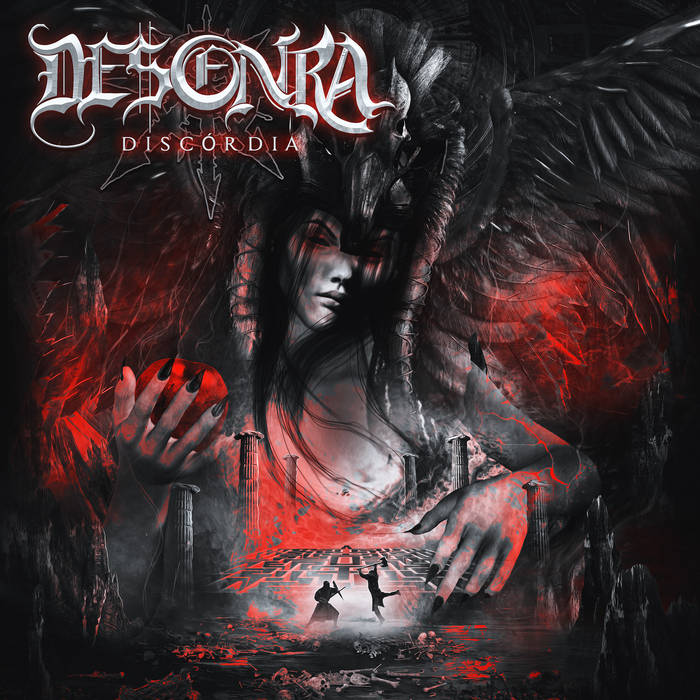
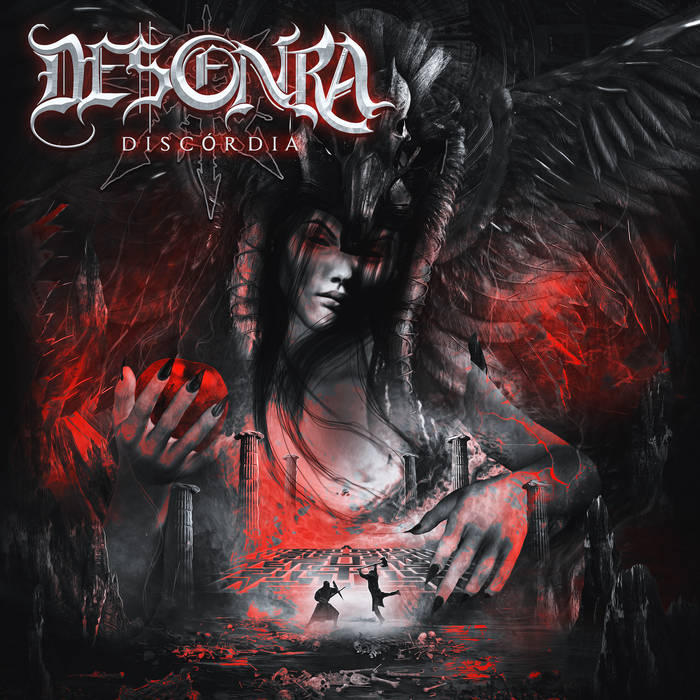
South American thrash metal acts like Hellven and Desonra occupy a strategic position as audiences seek authentic thrash experiences beyond anniversary tours. These bands combine classic thrash foundations with contemporary energy, offering live experiences that capture nostalgic appeal while maintaining creative momentum.

The anniversary tour phenomenon also creates opportunities for regional acts to demonstrate that authentic metal doesn't require historical distance. South American thrash bands can deliver the intensity and authenticity that anniversary tours promise while continuing to develop new material that maintains genre traditions.
Studio Production Signals Creative Resilience
Despite industry upheavals, bands like Darkest Hour continue moving forward with new album production, enlisting producer Mark Lewis for their eleventh studio effort. This creative persistence demonstrates that sustainable metal acts maintain artistic development even during industry uncertainty, focusing on long-term creative goals rather than short-term market fluctuations.
South American metal's studio culture has always emphasized creative resilience over commercial calculation, positioning regional acts to benefit from the industry's return to artistic fundamentals. As international acts face internal tensions and market pressures, South American studios continue developing the technical and creative excellence that defines sustainable metal careers.
The emphasis on quality production partnerships also aligns with South America's collaborative approach to metal development, where studio relationships serve artistic vision rather than merely commercial objectives.

Regional Positioning for Industry Leadership
As international metal faces simultaneous crises of band stability, pricing strategies, and generational transition, South America's metal scene demonstrates the collaborative stability, economic sustainability, and creative resilience that the global industry desperately needs. The continent's bands have developed through authentic community engagement rather than commercial calculation, creating artistic foundations that can withstand the pressures currently destroying established international acts.
The convergence of Riverside's collapse, Live Nation's pricing desperation, and veteran performers' health struggles creates unprecedented opportunities for South American metal to demonstrate superior organizational models and authentic artistic development. Regional acts enter an international landscape hungry for the stability and authenticity that South American metal communities have cultivated through decades of independent development.
This moment requires strategic thinking about how regional excellence can address international industry failures while maintaining the community-focused values that created South America's metal strength. The industry's crisis becomes the continent's opportunity to demonstrate that sustainable metal culture produces superior artistic results and more resilient career trajectories than the ego-driven, profit-maximized approaches currently failing throughout international metal.