Power Metal's Generational Bridge and Folk Rock Experimentation Signal Heavy Metal's Creative Evolution as South American Virtuosity Gains Recognition
While Helloween continues demonstrating power metal's enduring appeal through their American performances and The Tubs experiment with folk rock interpretations of Metallica classics, a deeper story emerges about heavy metal's creative evolution and the growing recognition of South American musical virtuosity. These developments highlight how established acts maintain relevance while newcomers push genre boundaries, creating unprecedented opportunities for South America's diverse metal scene.
Power Metal's Enduring Appeal and Creative Reinterpretation
Helloween's recent Atlanta performance alongside Beast In Black demonstrates power metal's ability to maintain its core appeal while adapting to contemporary audiences. The pairing represents different generations of European power metal, yet both acts share the melodic sensibilities and technical precision that South American metal fans have embraced for decades. This transatlantic appreciation for power metal craftsmanship parallels the technical excellence displayed by South America's own progressive acts.
The creative reinterpretation of metal classics takes an unexpected turn with The Tubs' folk rock cover of Metallica's "Fade To Black," transforming the thrash metal ballad into something entirely different while maintaining its emotional core. This experimental approach reflects a broader trend in metal culture where artists feel free to deconstruct and rebuild iconic songs, much like how South American metal acts have historically blended traditional regional sounds with heavy metal frameworks.
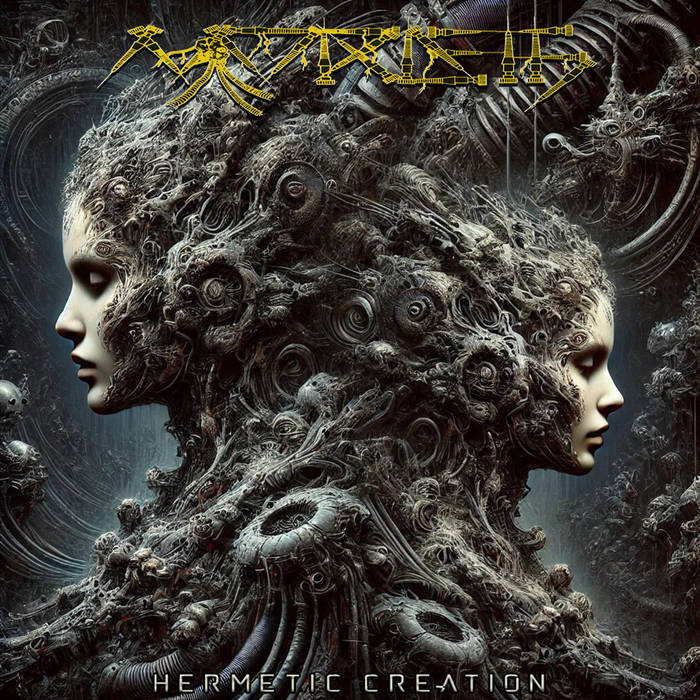
Such creative freedom resonates particularly well with South America's experimental metal communities, where bands like Mordeth have long demonstrated that progressive death metal can incorporate diverse influences without losing its essential heaviness. The willingness to experiment with established formulas signals metal's continued evolution beyond rigid genre constraints.
Canadian Rock Legends Navigate Physical Limitations
Rik Emmett's candid discussion about Triumph's return after three decades offers valuable insight into how veteran musicians adapt to physical limitations while maintaining artistic integrity. His acknowledgment that certain vocal capabilities change with age reflects the reality many aging metal performers face, yet Triumph's decision to tour again demonstrates that passion for the music transcends physical constraints.
This honest approach to aging in rock music provides an important counterpoint to the industry's often unrealistic expectations of eternal youth. South American metal scenes, with their deep respect for musical legacy and technical mastery, understand that wisdom and experience can compensate for diminished physical capabilities. The emphasis on songcraft over pure athletic performance aligns with regional metal traditions that prioritize musical sophistication.
Triumph's situation also highlights how legacy acts can successfully return to touring by adapting their approach rather than attempting to recreate past performances exactly. This adaptability offers lessons for South American veteran acts considering similar comebacks, demonstrating that authenticity matters more than attempting to deny the natural progression of time.
Cross-Genre Experimentation and Metal's Expanding Boundaries
The diverse range of musical activities emerging across different genres signals metal's increasing comfort with cross-pollination. From Tricky's trip-hop explorations to various bands experimenting with covers and reinterpretations, the metal ecosystem demonstrates remarkable flexibility in 2026.
This experimental climate particularly benefits South American metal acts who have historically excelled at incorporating diverse influences into heavy music frameworks. The current international openness to genre-blending creates opportunities for bands that might have been considered too eclectic for traditional metal markets in previous decades.
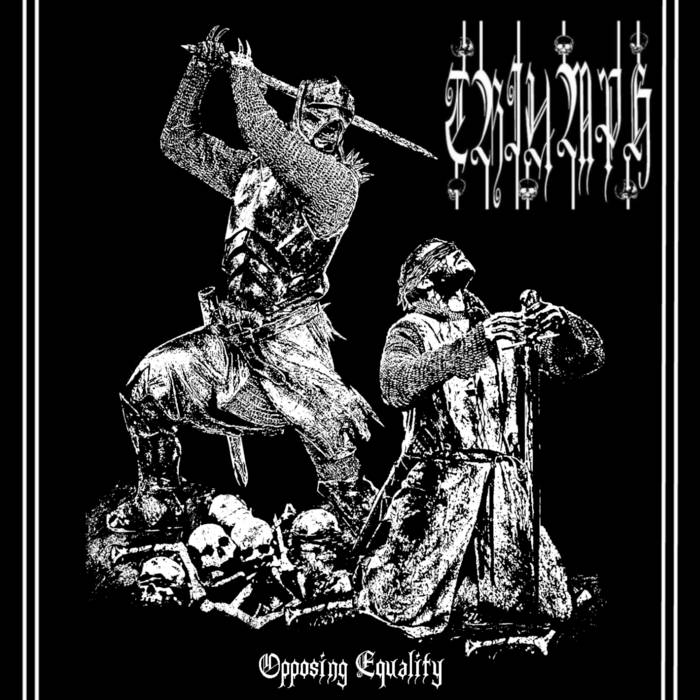
Brazil's Triumph, operating in the black metal sphere, exemplifies how South American acts can maintain extreme metal authenticity while exploring atmospheric and experimental elements. The international metal scene's growing acceptance of boundary-pushing approaches validates the creative risks taken by regional innovators.
South American Metal's Technical Renaissance
The broader metal landscape's emphasis on technical proficiency and creative experimentation aligns perfectly with South America's metal scene strengths. The continent has long produced musicians capable of matching any international standard of technical excellence while maintaining distinct regional characteristics.
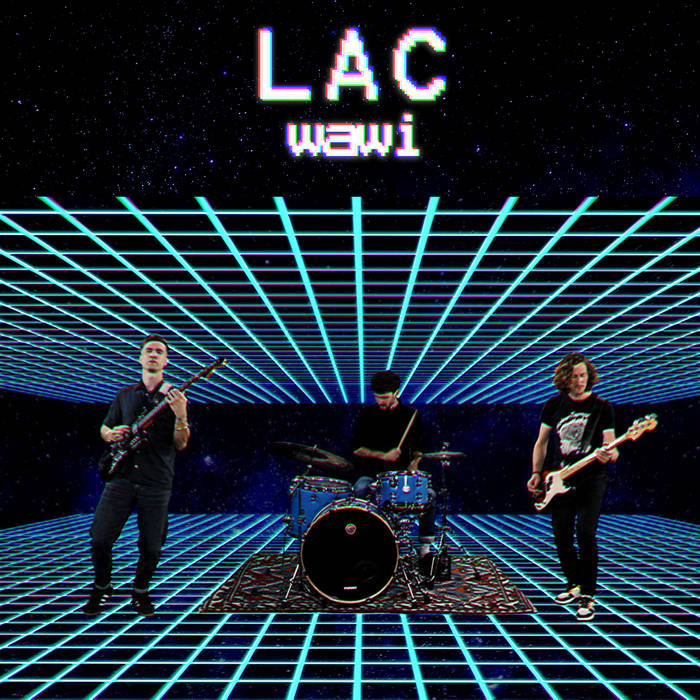
Death metal acts like LAC represent the type of technical precision that international metal audiences increasingly appreciate. As global metal moves toward greater appreciation for musicianship over mere aggression, South American death metal's sophisticated approach gains competitive advantages in international markets.
The current international touring landscape, with its mix of veteran acts adapting to limitations and emerging artists pushing boundaries, creates space for South American metal acts to demonstrate their unique combination of technical skill and authentic regional identity. This represents a significant opportunity for bands ready to engage with international audiences seeking both musical excellence and cultural authenticity.
Industry Infrastructure and Professional Development
The various tour announcements and album releases mentioned in current metal news demonstrate a robust industry infrastructure supporting diverse artistic expressions. This professional ecosystem increasingly recognizes that metal's global future depends on incorporating diverse regional voices rather than maintaining narrow geographic focus.
South American metal's professional development has reached a point where regional acts can participate meaningfully in international conversations about metal's artistic direction. The combination of technical excellence, cultural authenticity, and professional presentation positions the continent's metal scene for greater global influence.
As international metal embraces both nostalgic celebration and forward-looking experimentation, South American acts possess the cultural depth and musical sophistication to contribute meaningfully to both directions. The continent's metal scene represents both preservation of heavy music traditions and innovation for future development.
Future Opportunities and Regional Advantages
The current international metal landscape's embrace of diversity, technical excellence, and creative experimentation creates unprecedented opportunities for South American metal acts. The combination of veteran artists adapting to change and newcomers pushing boundaries establishes an environment where regional authenticity becomes a competitive advantage rather than a limiting factor.
South America's metal scene, with its deep musical traditions and technical proficiency, stands ready to assume greater international prominence as the global metal community recognizes that authenticity and innovation often emerge from regions with strong cultural identities. The continent's metal future appears brighter than ever as international audiences seek both musical excellence and cultural depth.
The evolution of power metal, the honest adaptation of aging musicians, and the creative reinterpretation of classic songs all demonstrate metal's continued vitality and relevance. South American metal acts, with their unique combination of technical skill and cultural authenticity, are perfectly positioned to contribute meaningfully to this ongoing evolution.