Fear Factory's Latin America Rescheduling Highlights Regional Metal Logistics Revolution as Death Metal Underground Gains Professional Infrastructure

Fear Factory's decision to reschedule their Latin American tour dates from spring to July represents more than simple calendar shuffling—it signals the South American metal scene's evolution into a professionally viable touring destination that commands respect from international acts. When established bands adjust packed schedules to accommodate regional dates rather than canceling them outright, it demonstrates the continent's growing importance in global metal economics.
The California industrial metal pioneers' commitment to making their South American dates work, despite extensive touring obligations elsewhere, reflects a broader industry recognition that our continent offers more than just passionate crowds. The infrastructure improvements across major cities like São Paulo, Buenos Aires, and Bogotá have created touring conditions that rival traditional metal strongholds, making rescheduling preferable to abandonment.
Death Metal's Technical Renaissance Mirrors Regional Excellence
While Fear Factory navigates scheduling complexities, the global death metal scene continues its technical evolution with bands like Internal Bleeding and Malevolent Creation showcasing the genre's enduring brutality. Internal Bleeding's collaboration with Skinless vocalist Sherwood Webber for their UK tour demonstrates the collaborative spirit that has long defined extreme metal, while Malevolent Creation's three-guitar live configuration in Tampa pushes technical boundaries that echo South America's own innovations.
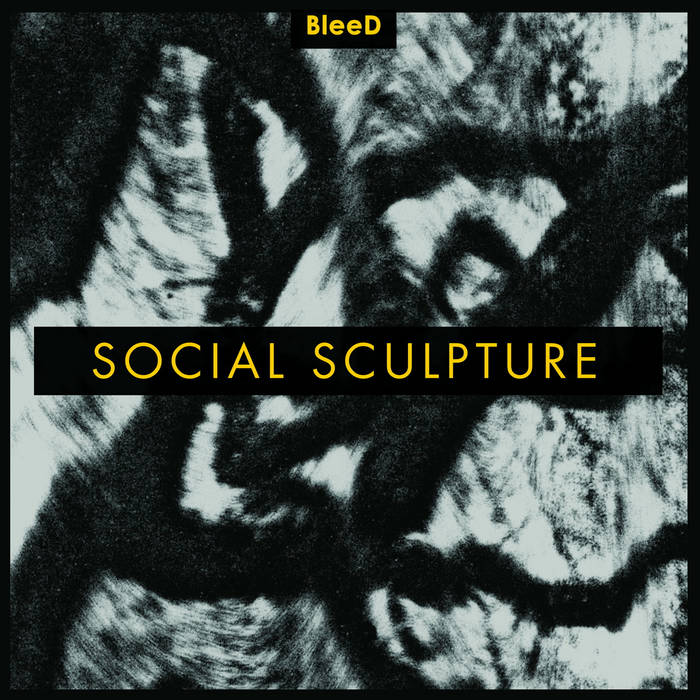
This technical sophistication resonates strongly with South American death metal acts who have been pushing similar boundaries for decades. Bands like Bleed have consistently demonstrated that regional acts can match international standards of technical proficiency and songwriting complexity. The growing recognition of such excellence creates opportunities for cross-pollination between established international acts and emerging South American talent.
The underground death metal scene across Brazil, Chile, and Argentina has developed a reputation for producing musicians capable of handling the genre's most demanding technical requirements. This reputation, combined with improved recording facilities and digital distribution networks, positions regional death metal acts to benefit from the genre's continued international growth.

Hardcore Authenticity Versus Corporate Calculation
Terror's return with "Still Suffer" represents hardcore punk's commitment to authentic aggression over commercial compromise—a principle that resonates deeply within South America's metal underground. The band's consistency in delivering uncompromising hardcore reflects values that have defined our regional scene since its inception: artistic integrity over market calculation.
This authenticity becomes increasingly valuable as international metal grapples with various commercial pressures and political divisions. South American metal acts have historically maintained focus on musical excellence rather than external controversies, creating sustainable career models that outlast trend cycles and industry upheavals.
The hardcore influence on South American metal extends beyond musical technique to organizational philosophy. Regional bands have developed strong work ethics and community connections that mirror hardcore's DIY traditions while embracing professional opportunities when they arise.
Solo Projects and Creative Evolution
Shane Embury's solo exploration into post-punk territory with tracks like "Taurus" demonstrates how established extreme metal musicians continue expanding creative boundaries. The Napalm Death bassist's willingness to explore different sonic territories reflects the artistic curiosity that drives metal's continued evolution.
Such creative exploration has always been central to South America's metal identity. Regional musicians frequently incorporate indigenous musical elements, local folk traditions, and diverse genre influences into their extreme metal foundations. This experimental approach positions South American acts to benefit from the industry's growing appreciation for creative diversity and authentic cultural expression.
The success of solo projects and side bands also creates additional touring opportunities and revenue streams for musicians navigating modern music industry challenges. South American artists are increasingly developing multi-project approaches that showcase their versatility while maintaining their primary band commitments.
Professional Infrastructure Development
The rescheduling of major international tours rather than their cancellation indicates South America's metal infrastructure has reached professional standards that warrant accommodation rather than abandonment. This represents decades of gradual improvement in venues, sound systems, security arrangements, and promotional capabilities across the continent.
Regional promoters have developed expertise in handling complex international touring logistics, from visa arrangements to equipment transportation. This professional competence makes South American dates increasingly attractive to international acts seeking reliable partnerships in emerging markets.
The continent's metal venues have also evolved significantly, with major cities offering facilities that meet international touring standards. These improvements benefit both visiting international acts and regional bands preparing for broader touring opportunities.
Political Divisions and Artistic Focus
While international metal continues grappling with various political divisions and lineup changes over ideological differences, South America's metal scene has generally maintained focus on musical excellence over external controversies. This emphasis on artistry over politics creates a more sustainable environment for creative development and professional growth.
Regional bands have demonstrated that meaningful social commentary can be integrated into extreme metal without compromising artistic integrity or creating unnecessary divisions within metal communities. This balanced approach offers lessons for international acts struggling with similar challenges.
The focus on musical substance over political positioning has helped South American metal maintain strong community connections and collaborative relationships that support long-term career development for regional artists.
New Band Development and Genre Innovation
Projects like Parasite Tongue, featuring members from Good Tiger and Sky Eats Airplane, demonstrate how established musicians continue creating new outlets for creative expression. This constant evolution and project development mirrors the dynamic nature of South America's metal scene, where musicians frequently collaborate across traditional genre boundaries.
The continent's metal community has always embraced cross-genre collaboration and experimental approaches. This openness to innovation positions regional acts to participate in metal's continued evolution while maintaining connection to traditional extreme metal values.
Regional band development benefits from this collaborative environment, as emerging acts gain access to experienced musicians willing to share knowledge and opportunities across different projects and genres.
Looking Forward: Opportunities and Challenges
Fear Factory's commitment to rescheduling rather than canceling their Latin American dates represents broader industry recognition of South America's importance in modern metal touring. This development, combined with the continent's strong death metal traditions and growing infrastructure capabilities, creates unprecedented opportunities for regional acts ready to expand their reach.
The challenge for South American metal lies in capitalizing on this increased international attention while maintaining the authentic artistic values that define the regional scene. Success requires balancing professional ambition with creative integrity—a balance that has always characterized the continent's best metal acts.
As international touring patterns continue evolving and metal's global audience expands, South America's combination of passionate audiences, professional infrastructure, and talented musicians positions the region for continued growth in metal's worldwide community.