Farewell Albums and Acoustic Departures Reflect Metal's Mortality Awareness as South American Scene Embraces Artistic Finality
The metal world's recent fascination with farewell statements and acoustic departures reveals an industry grappling with artistic mortality, creating unexpected opportunities for South America's diverse heavy music ecosystem to demonstrate how regional authenticity can outlast calculated finality.
The Farewell Album Phenomenon
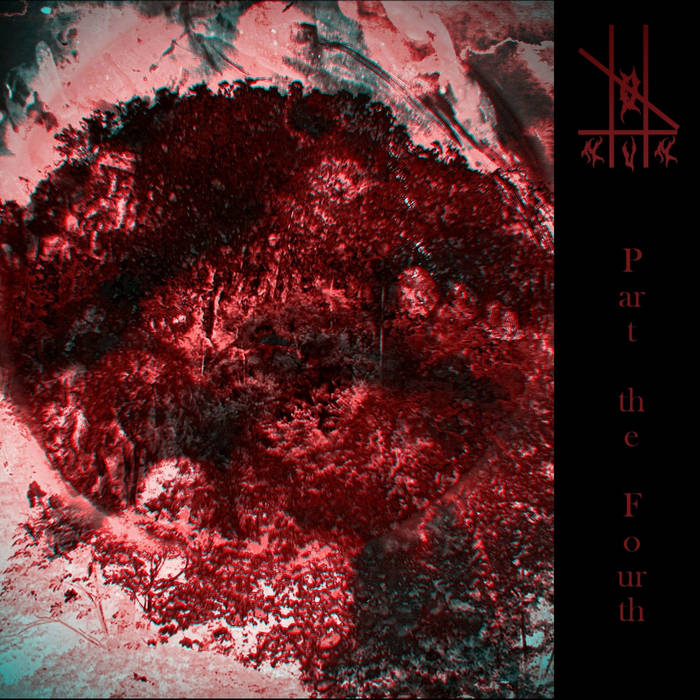
Bloodbather's resurrection for a final album represents a growing trend of bands treating their discographies as finite artistic statements rather than endless career extensions. This approach to artistic finality mirrors the work ethic found throughout South America's metal underground, where bands like Exhaurity and The Scum have long approached each release with the intensity of a potential swan song.
The deathcore band's decision to announce "ANAYNGSTTA" as both comeback and finale demonstrates how modern metal acts are embracing narrative closure as creative fuel. This strategy resonates particularly well within South America's death metal scene, where bands have historically operated under resource constraints that naturally create urgency around each recording opportunity.
Salem Vex's resurrection of Bloodbather for this final statement follows a pattern increasingly common among new metal bands 2026, where artists prioritize creative completion over commercial longevity. This mentality has deep roots in South American extreme metal, where economic realities have always demanded that bands make each release count with maximum intensity.
Acoustic Ventures and Genre Expansion
Jake Kiszka's acoustic project Mirador represents another form of artistic departure—not through finality, but through genre expansion that challenges traditional heavy music boundaries. "The Gathering At Badon Hill" showcases how metal-adjacent artists are exploring stripped-down presentations that emphasize songcraft over production density.
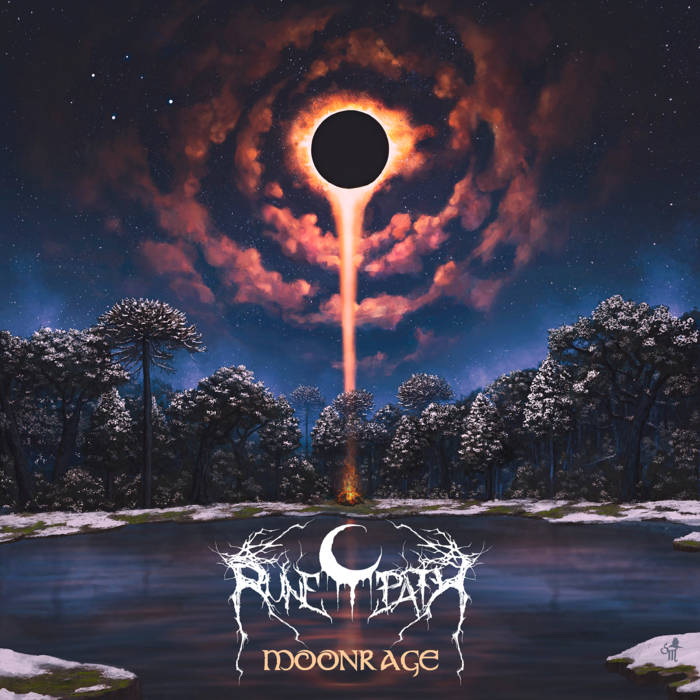
This acoustic approach offers valuable lessons for South America's diverse metal scene, where bands across multiple genres have long incorporated folk and acoustic elements out of cultural necessity rather than commercial calculation. The region's atmospheric black metal acts like 0-Nun and folk-influenced projects such as Runepath demonstrate how acoustic integration can enhance rather than diminish heavy music's emotional impact.
Kiszka's production partnership with Chris Turpin on this acoustic EP reflects how successful metal artists are increasingly viewing genre diversification as creative evolution rather than commercial compromise. This perspective aligns naturally with South America's musical tradition of incorporating diverse influences into heavy frameworks.
Drummer Perspectives and Album Identity
Art Cruz's reflections on Lamb of God's "Into Oblivion" as "the most 'me' album" highlight how individual band members are taking ownership of collective creative output in ways that emphasize personal artistic growth within established frameworks. This approach to album identity creation offers important insights for South American metal musicians navigating the balance between individual expression and band cohesion.
Cruz's perspective on the album-making process demonstrates how modern metal production can accommodate individual artistic voices while maintaining unified band identity. This balance proves especially relevant for South America's collaborative metal scene, where multi-member bands must often navigate diverse cultural backgrounds and musical influences within single projects.
The drummer's emphasis on personal connection to the material reflects broader trends in how metal bands touring 2026 are approaching their catalog development—prioritizing emotional authenticity over commercial formulas. This approach has long characterized South American metal production, where limited studio resources naturally emphasize genuine performance over technical perfection.
Nevermore's Vocalist Selection Strategy
Jeff Loomis's comments about selecting Berzan Önen as Nevermore's new vocalist specifically because they "didn't want a Warrel Dane clone" represents sophisticated thinking about band evolution and artistic integrity. This approach to lineup changes demonstrates how established metal acts are prioritizing creative growth over fan comfort, creating new models for band development that South American acts can study and adapt.
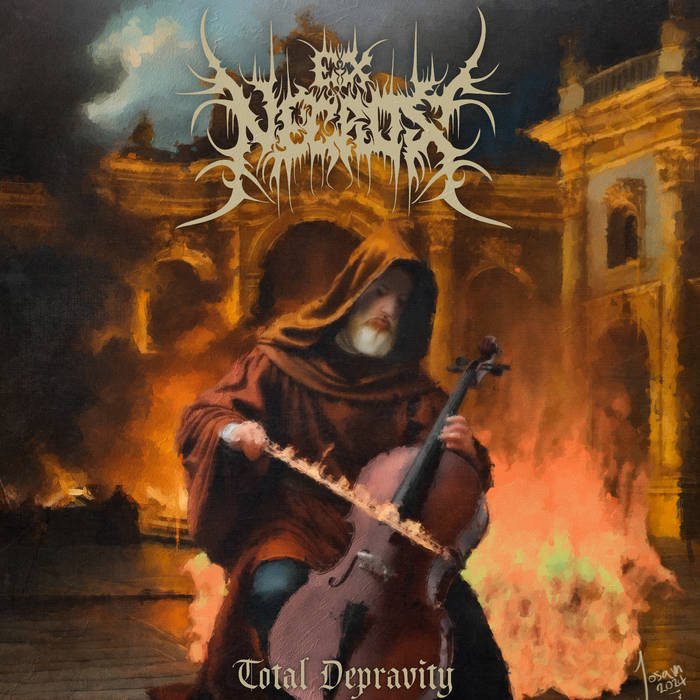
Loomis's emphasis on finding "the perfect choice" rather than the obvious choice reflects how progressive metal and melodic death metal acts must balance respect for their legacy with commitment to future evolution. This balance proves particularly relevant for South America's melodic death metal scene, where bands like Akaamelda and Exnecros must navigate similar decisions about maintaining core identity while allowing for natural artistic growth.
The guitarist's strategic thinking about vocal identity within Nevermore's resurrection offers valuable lessons for South American bands facing lineup changes. Rather than seeking replacement musicians who simply replicate previous contributions, successful evolution requires finding artists who can honor established foundations while bringing fresh perspectives to familiar frameworks.
Streaming Milestones and Digital Recognition
The entry of System of a Down, Disturbed, and Soundgarden tracks into Spotify's Billions Club demonstrates how digital platforms are creating new forms of legacy recognition that extend beyond traditional industry metrics. These streaming achievements represent cultural validation for heavy music that transcends geographical boundaries, creating aspirational targets for South American metal acts developing their digital strategies.
The billion-play milestone achievements by these established acts showcase how consistent quality and authentic artistic vision eventually find massive audiences through streaming platforms. This digital recognition model offers hope for South America's best death metal bands and other regional acts who maintain professional standards while building international audiences gradually through platform algorithms.
Red Hot Chili Peppers and Three Days Grace joining this streaming elite demonstrates how diverse approaches to heavy music can achieve similar digital success, suggesting that South American bands don't need to compromise regional identity to reach global audiences through streaming platforms.
Festival Programming and Live Music Evolution
The Fest 2026's initial lineup featuring The Bouncing Souls, PUP, Texas is the Reason, and Torche demonstrates how major festivals are balancing established legacy acts with contemporary innovators across multiple heavy music subgenres. This programming approach creates valuable reference points for South American festival organizers and bands preparing for what metal bands are touring in 2026.
Coachella's decision to livestream Turnstile, Nine Inch Nails, Suicidal Tendencies, and Black Flag sets reflects how major mainstream festivals are treating heavy music as essential programming rather than niche offerings. This mainstream integration creates new opportunities for South American acts ready to present professional-quality performances to diverse audiences.
The combination of hardcore punk legends with contemporary post-hardcore innovators in these festival lineups suggests that authenticity and artistic evolution can coexist successfully in live presentation formats, offering strategic insights for South American bands developing their live performance approaches.
Regional Opportunities Through Global Trends
Gary Holt's dismissive comments about the Rock and Roll Hall of Fame as "fucking lame" reflect broader metal community skepticism about traditional industry recognition systems, creating space for alternative validation methods that could benefit South America's underground scene. This rejection of establishment approval opens opportunities for regional acts to build credibility through authentic artistic achievement rather than institutional recognition.
The current focus on farewell albums, acoustic departures, and strategic lineup changes demonstrates how successful metal acts are prioritizing artistic integrity over commercial predictability. These approaches align naturally with South America's metal tradition of emphasizing authentic expression over market calculations.
Contemporary trends toward emotional honesty, creative finality, and genre expansion create unprecedented opportunities for South American metal bands ready to combine regional authenticity with professional presentation standards. The global metal scene's current openness to diverse approaches suggests that South America's best heavy metal songs and innovative bands can find international audiences without compromising their cultural identity.
As established acts embrace mortality awareness and acoustic experiments, South America's metal scene can leverage its authentic approach to heavy music as a competitive advantage in an industry increasingly hungry for genuine artistic expression over calculated commercial strategies.