Chaos and Carnage Keywords Echo Through South American Metal Scene as Global Tours Expand and Industry Drama Unfolds
The recent announcement of additional dates for the 'Chaos & Carnage' tour brings more than just expanded touring opportunities – it highlights how specific terminology continues to resonate deeply within South America's extreme metal landscape. While international acts add more chances for fans to experience crushing live performances, the very words 'chaos' and 'carnage' serve as touchstones for our region's most brutal acts.
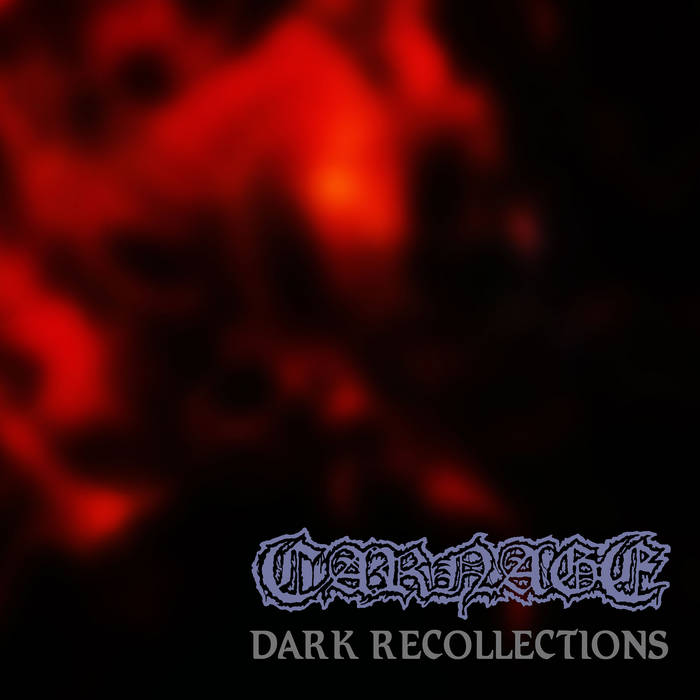
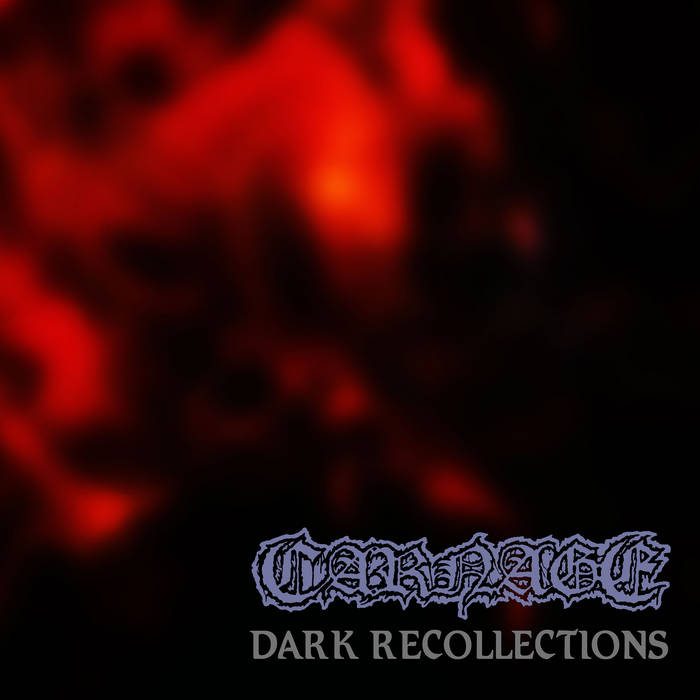
The significance isn't lost on bands like Crime, whose Chilean heavy metal approach embodies the lawless energy that these tour names celebrate. Similarly, Carnage from Brazil directly channels this destructive aesthetic through their black and thrash metal fusion, proving that South American bands have long understood the power behind such evocative imagery.
Death Metal's Toxic Revelations Expose Industry Underbelly
The explosive departure of Suffocation's drummer Eric Morotti, who publicly accused bandmates of being "toxic, abusive drug addicts," sends shockwaves through the death metal community that extend far beyond North American borders. For a genre that prides itself on extremity and authenticity, such revelations about backstage dysfunction strike at the heart of what separates genuine artistry from mere performance.
This controversy arrives at a crucial moment for South American death metal, where bands have spent decades building international credibility. The established death metal scenes in Brazil, Colombia, and Argentina have produced acts that tour globally precisely because they've maintained professional standards while delivering uncompromising brutality. When veteran acts like Suffocation implode due to personal conflicts, it creates opportunities for disciplined South American death metal bands to step into larger touring slots and festival bookings.
The timing coincides with renewed international interest in what many consider the best death metal bands emerging from developing scenes. South American acts have historically faced greater barriers to international recognition, making professionalism and reliability even more critical for breakthrough success.
Lineup Changes Signal Broader Industry Transformation
Godsmack's announcement of new touring members – guitarist Sam Koltun and drummer Wade Murff – represents a broader trend of established acts refreshing their lineups to maintain touring viability. This pattern extends beyond individual band decisions to reflect changing industry economics that favor adaptability over rigid personnel structures.
For South American metal scenes, these developments offer valuable strategic insights. The willingness of major acts to incorporate new blood suggests that regional talent with strong skills and professional attitudes can access previously closed networks. As veteran acts prioritize competence over legacy relationships, South American musicians who've honed their craft in challenging local scenes may find unexpected opportunities.
The phenomenon also highlights how what metal bands are touring in 2026 increasingly depends on practical considerations rather than historical lineups. Acts that can maintain high performance standards while navigating complex international logistics will dominate the touring landscape, regardless of geographical origin.
Punk Heritage Meets Metal Evolution
Social Distortion's release of "Partners In Crime" from their upcoming "Born To Kill" album demonstrates how punk veterans continue influencing metal's aesthetic and attitudinal development. The track's celebration of rock 'n' roll dedication resonates with South American bands who've maintained underground commitment despite limited commercial opportunities.
This punk-metal crossover has particular relevance for South American scenes, where hardcore punk and metal have always shared venues, audiences, and ideological common ground. The DIY ethics that sustained punk through decades of mainstream indifference mirror the approaches that many South American metal bands have adopted out of necessity rather than choice.
The album title "Born To Kill" echoes the confrontational spirit that defines much of South America's most compelling metal output, where political urgency and personal struggle create authentic aggression that transcends mere stylistic posturing.
Festival Programming Reveals Genre Boundaries Dissolving
The announcement of Cold Waves 2026's lineup, featuring acts like TR/ST, Stabbing Westward, and King Woman, illustrates how festivals increasingly program across traditional genre boundaries. This trend toward diversity creates new opportunities for South American acts that blend multiple influences rather than adhering to strict stylistic categories.
South American metal has always incorporated diverse elements out of cultural necessity and creative curiosity. Bands that might have seemed unfocused by rigid genre standards now appear forward-thinking as festival programmers seek acts that can appeal to multiple audience segments within single events.
The inclusion of experimental and atmospheric acts in predominantly industrial/gothic lineups suggests that South American bands exploring similar territories – particularly those incorporating indigenous instruments or addressing regional political themes – could find receptive international audiences through properly curated festival appearances.
Collaborative Experiments Push Creative Boundaries
Mike Patton's recent collaborative performances with The Avett Brothers, covering Faith No More and Mr. Bungle material, demonstrates how established artists continue expanding their creative parameters through unexpected partnerships. These experiments offer models for South American acts seeking to break beyond local scene limitations.
The willingness of accomplished musicians to explore unfamiliar territories suggests that South American bands shouldn't feel constrained by perceived stylistic expectations when approaching international opportunities. Patton's genre-crossing career has consistently prioritized artistic curiosity over commercial predictability, providing a blueprint for bands from emerging scenes.
Such collaborations also highlight how metal's influence extends into seemingly unrelated musical territories, creating potential bridges for South American acts to access broader audiences through strategic partnerships with non-metal artists who share complementary artistic visions.
Regional Opportunities Amid Global Uncertainty
As international metal scenes navigate lineup changes, industry conflicts, and evolving audience expectations, South American acts face both challenges and unprecedented opportunities. The professionalization required for international success has never been more important, but the rewards for meeting those standards continue expanding.
The South American metal scene benefits from strong foundational elements: passionate local audiences, diverse cultural influences, and the hunger that comes from operating outside established industry centers. As veteran international acts struggle with internal conflicts or seek fresh creative directions, disciplined South American bands with clear artistic visions could find doors opening that seemed permanently closed.
The key lies in maintaining the authenticity and intensity that makes South American metal distinctive while developing the professional skills and industry connections necessary for international expansion. Recent global developments suggest that talent and reliability matter more than geographical origin or established network connections.
For bands ready to make the leap, the current industry landscape offers more potential entry points than any previous era, provided they can demonstrate the consistency and professionalism that separates sustainable careers from brief moments of underground fame.