Mental Health Conversations and Political Protest Drive Metal's Cultural Renaissance as South American Scene Embraces Deeper Messaging
Metal music is experiencing a profound cultural shift as artists increasingly embrace conversations about mental health and political activism, creating ripple effects across the global scene that resonate deeply within South America's vibrant metal community. This movement represents more than just lyrical evolution—it's a fundamental reimagining of metal's role as a vehicle for social change and personal healing.
The Normalization of Mental Health in Heavy Music
The conversation around mental health within metal circles has reached a critical turning point. Artists are no longer treating psychological struggles as taboo subjects, instead positioning these discussions as essential components of the genre's authenticity. This shift reflects a broader understanding that the cathartic power of extreme music naturally aligns with addressing internal battles and emotional trauma.
For South American metalheads, this evolution carries particular significance. The region's metal scene has long served as an outlet for processing complex social and political realities, from economic instability to authoritarian histories. A Sorrowful Dream and other regional acts have historically woven themes of psychological struggle into their death and doom compositions, creating a foundation for these more explicit conversations about mental wellness.
The destigmatization of mental health discussions in metal creates space for more nuanced artistic expression. Rather than relying solely on aggression and darkness as emotional outlets, bands are exploring vulnerability, recovery, and healing as equally powerful subjects for heavy music. This approach resonates strongly across Latin America, where cultural attitudes toward mental health have traditionally been restrictive.
Political Activism Through Extreme Music
Simultaneously, metal's political consciousness is experiencing a renaissance. Artists are directly confronting systemic issues, questioning authority structures, and challenging audiences to examine uncomfortable truths about power and conflict. This isn't new territory for metal, but the current generation approaches these topics with unprecedented directness and specificity.
The focus on political corruption and war profiteering strikes particularly close to home for South American metal communities. The continent's history of military dictatorships, foreign interventions, and economic exploitation provides rich context for understanding why these themes resonate so powerfully in extreme music. Bands across Brazil, Argentina, Chile, and beyond have consistently channeled political frustration into crushing riffs and confrontational lyrics.
This political awakening in metal coincides with broader social movements across Latin America. From protests against authoritarian governments to environmental activism in the Amazon, the region's metal scene serves as both soundtrack and participant in ongoing struggles for justice and equality. 3 Caveiras exemplifies this approach, combining black metal intensity with grindcore's politically charged legacy.
The Evolution of Band Dynamics and Legacy Acts
The metal world is also grappling with questions of artistic continuity and legacy preservation. Classic acts face difficult decisions about maintaining their musical identities while adapting to changed circumstances. These conversations about band names, lineup changes, and artistic authenticity reflect deeper questions about what defines a musical entity.
For South American metal bands, many of which have experienced significant lineup changes due to economic migration and political instability, these discussions carry added weight. The region's metal scene has always been characterized by resilience and adaptation, with bands continuing their missions despite obstacles that might derail acts in more stable environments.
This adaptability has created a unique perspective on musical authenticity. South American metal acts understand that survival and artistic evolution often require flexibility without compromising core identity. This pragmatic approach to band dynamics influences how regional scenes view international debates about lineup changes and artistic direction.
New Releases and Underground Developments
The underground continues producing innovative music that pushes genre boundaries. Melodic death metal is experiencing particular growth, with new releases showcasing sophisticated songwriting that balances technical proficiency with emotional depth. These developments create opportunities for South American bands operating in similar territories.
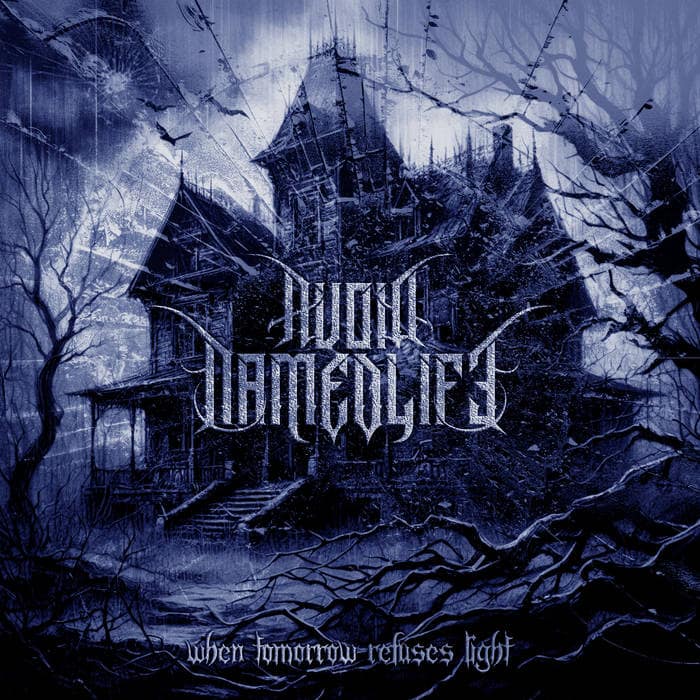
The region's melodic death metal scene has produced remarkable acts that combine European melodicism with distinctly Latin American perspectives. A Void Named Life represents this synthesis, crafting doom-influenced melodic death metal that addresses existential themes through a South American lens.
Cover bands and tribute acts are also gaining recognition as legitimate artistic expressions. This validation matters for South American scenes where cover bands often serve as crucial training grounds for emerging musicians and vital components of local music economies. The recognition that tribute acts require genuine skill and creativity helps elevate the entire ecosystem of live music performance.
International Collaboration and Cross-Pollination
Cross-genre collaborations are becoming increasingly common, with artists from different extreme music backgrounds joining forces to create hybrid sounds. These partnerships reflect metal's growing willingness to experiment beyond traditional boundaries while maintaining its core intensity and authenticity.
South American metal scenes have always been characterized by genre fluidity, partly due to smaller local scenes requiring musicians to participate in multiple projects across different styles. This versatility positions regional artists well for an era of increased collaboration and genre-blending.
The rise of experimental partnerships also creates opportunities for South American artists to connect with international scenes. Digital platforms have made global collaboration more accessible, allowing regional acts to participate in the broader metal conversation while maintaining their distinctive cultural perspectives.
Anniversary Tours and Nostalgic Celebrations
The metal community's relationship with its own history is evolving through anniversary tours and retrospective releases. These celebrations serve multiple functions: honoring artistic legacies, introducing classic material to new audiences, and providing financial stability for veteran acts.
For South American metal scenes, these anniversary trends create opportunities for regional bands to celebrate their own milestones and histories. Many South American metal acts have decades-long careers that deserve similar recognition, and the current emphasis on musical anniversaries provides a framework for these celebrations.
Looking Forward: Cultural Impact and Regional Growth
The convergence of mental health awareness, political activism, and artistic experimentation positions metal for significant cultural influence. As the genre becomes more comfortable addressing complex social issues while maintaining its emotional intensity, it attracts audiences seeking both cathartic release and meaningful dialogue.
South America's metal scene stands to benefit significantly from these trends. The region's history of using extreme music as a vehicle for processing trauma and challenging authority aligns perfectly with metal's current cultural evolution. As international metal embraces the approaches that South American scenes have employed for decades, regional artists gain new platforms and recognition.
The future promises continued growth in cross-cultural collaboration, genre experimentation, and socially conscious metal. South American scenes, with their deep understanding of metal's power as both personal catharsis and political expression, are positioned to play crucial roles in this ongoing evolution. Submit your band to join the growing community of artists pushing metal's boundaries while honoring its transformative power.